



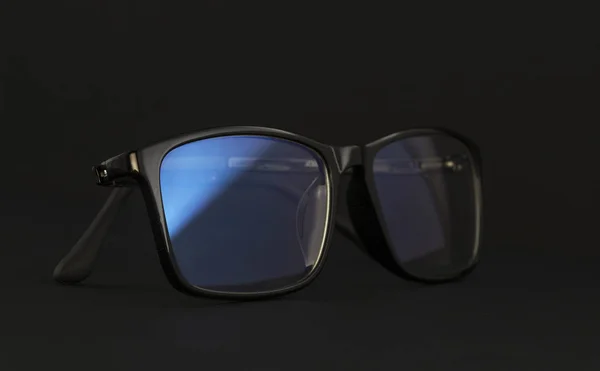
Blue light glasses are widely marketed as a must-have for anyone staring at screens, but major scientific reviews conclude they do not reduce digital eye strain, protect the retina, or consistently improve sleep. For most people, they’re an overhyped trend rather than a proven solution. Yet a small group of users, especially those with sleep issues tied to late-night screen use, may still notice modest benefits.
What Exactly Are Blue Light Glasses and What Do They Claim to Do?

How These Glasses Are Supposed to Work
Blue light glasses have lenses that filter short-wavelength blue light (roughly 400–495 nanometers) emitted by phones, computers, and LED lights. Manufacturers claim they:
-
Reduce eye fatigue and digital eye strain
-
Prevent long-term retinal damage
-
Improve sleep quality by supporting circadian rhythm
-
Decrease headaches linked to screen use
Marketing often frames blue light as harmful, similar to UV radiation. This creates the impression that filtering it is essential for eye health.
Does the Data Support These Claims?

A Major Review of 17 Studies Finds No Real Benefit
A systematic review of 17 randomized controlled trials concluded that blue-light filtering lenses:
-
Do not significantly reduce visual fatigue from computer use
-
Show no consistent effect on sleep quality
-
Lack of evidence for protecting retinal cells in normal daily use
Laura Downie, the study’s senior author, stated:
“We discovered that utilizing blue-light filtering lenses may not provide any immediate benefits for diminishing visual fatigue linked to computer usage”.
Some Studies Show Mixed or Positive Results
Not all research is negative. One study using Critical Flicker Frequency (CFF) found that more blue blocking reduced eye fatigue and strain. However, another study from the State University of New York found no beneficial effect on eye strain after 30 minutes of digital reading, even with complete blue light blocking.
This contradiction is why experts describe the evidence as “mixed, contradictory, and inconclusive”.
Eye Doctors Don’t Recommend Them for Eye Health
Leading ophthalmologists agree:
-
Cleveland Clinic: “Blue light filtering glasses don’t improve your eye health”
-
Dr. Craig See: “They primarily do not function for the purposes they are marketed for”
-
American Academy of Ophthalmology: Does not recommend blue light glasses due to lack of evidence
Why Do Some People Still Feel They Work?

The Power of Perceived Benefit and Behavioral Changes
Many users report feeling better after wearing them, but this often stems from:
-
Reduced screen time before bed (people who buy glasses sometimes also change habits)
-
Anti-reflective coating on lenses, which reduces glare independently of blue filtering
-
Placebo effect – expecting comfort can create real perceived comfort
For example, Sarah, a 32-year-old graphic designer, bought blue light glasses expecting less strain. Months later, she realized her improvement came from switching to a darker screen theme and taking breaks every 30 minutes, not the glasses themselves.
When Might Blue Light Glasses Actually Help?

The One Clear Use Case: Sleep Issues From Late-Night Screens
Blue light does affect circadian rhythm by suppressing melatonin. This is well-established. For people who:
-
Use screens heavily 2–3 hours before bedtime
-
Struggle with delayed sleep onset
-
Want a non-app-based solution
blue light glasses may provide modest help by reducing melatonin suppression.
This is not about eye strain—it’s about sleep timing.
What Actually Works for Digital Eye Strain?

Proven Strategies That Outperform Blue Light Glasses
If your goal is to reduce eye fatigue, these methods have stronger evidence:
Dr. Nicole Bajic from the Cleveland Clinic notes that research has “really hasn’t found that it’s effective in reducing eye strain”.
What Should Future Buyers Do Before Purchasing?

A Practical Checklist
Before spending $30–$150 on blue light glasses:
-
Ask yourself: Is your main issue eye strain or sleep timing?
-
Check your lenses: Many “blue light” glasses are just anti-reflective—try those first
-
Try behavioral changes first: 20-20-20 rule, screen breaks, brightness adjustment
-
Consider sleep habits: If you use screens late, reduce time or use the phone’s night mode
-
Consult an eye doctor: Persistent strain may signal uncorrected vision issues or dry eye
If you still want to try them, treat them as an experiment, not a medical solution.
The Bottom Line for Buyers in 2026
Blue light glasses are mostly an overhyped trend for the average screen user. Data shows they do not effectively reduce eye strain or protect eye health. The one area where they might help is sleep quality for people using screens late at night.
For digital eye strain, proven strategies like the 20-20-20 rule, proper lighting, and anti-reflective lenses deliver better results. Future buyers should weigh the cost against evidence and prioritize habits that actually move the needle.
Also Read | Women Over 50: Alex’s Bed Accident Reveals Condition Affecting 67,000 UK Patients

