



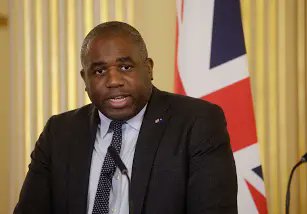
The UK cannot slip back into the 1950s atmosphere where David Lammy’s father arrived and saw rental signs reading “no blacks, no dogs, no Irish,” the Deputy Prime Minister declared in a sharp rebuke of rising hate.
Lammy, whose father belonged to the Windrush Generation, tied his personal family history to a broader national warning about the dangers of allowing discriminatory attitudes to resurface.
Unlike most coverage that frames Lammy’s statement as a reaction to recent racist social media messages targeting him, this moment carries deeper generational weight.
Lammy is not simply defending himself but invoking the lived reality of postwar Caribbean migrants who rebuilt Britain while being denied housing and dignity.

His words reframe current racial tensions not as isolated incidents but as a potential return to systemic exclusion that the country has legally and socially moved beyond.
The 1950s saw Britain recruit Commonwealth labor to recover from World War II, yet many immigrants faced brutal prejudice, including riots in Nottingham and Notting Hill in 1958.
Landlords refused to rent to Black families, and skilled jobs were often inaccessible. Lammy’s reference to those signs underscores how far the UK has traveled—and how fragile that progress remains.
Lammy’s statement arrives amid growing political friction over immigration and identity, with Reform UK councillors linked to racist online posts he called “1950s-style hatred”.
His warning signals Labour’s strategic positioning ahead of future voter debates on equality, integration, and the legacy of colonialism.
🚨 WATCH: David Lammy says the UK cannot go back to “1950s Britain” where his dad arrived to signs saying “no blacks, no dogs, no Irish”
“We’re acting to tackle those inciting hatred online” pic.twitter.com/uOqOwD7vGe
— Politics UK (@PolitlcsUK) June 17, 2026
It also challenges politicians to address whether modern policy reflects inclusive values or quietly echoes past exclusion.
The Deputy Prime Minister’s personal narrative adds moral urgency to anti-racism efforts and could reshape how Britain discusses migration, heritage, and national identity.
As the UK navigates post-Brexit identity questions, Lammy’s message demands that the nation choose solidarity over division.
Also Read | Who Is Lara D AGT? Australian Singer Wins Golden Buzzer 2026

