



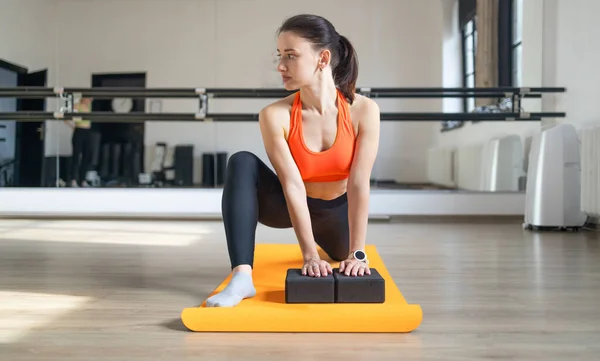
If you have scrolled past a Pilates class listing, a reformer studio opening, or a wellness influencer raving about their “Pilates body,” you may have wondered whether it is all just trend or something worth your time and money. The answer, according to physical therapists and a growing body of peer-reviewed research, is firmly the latter.
Pilates is not a new fitness concept. Joseph H. Pilates developed the method in the early 1920s, initially to rehabilitate injured dancers who were prone to musculoskeletal breakdown. What started as a niche rehabilitation tool has since grown into one of the most studied and clinically recommended movement practices in the world. A 2025 systematic literature review spanning 42 studies confirmed that Pilates produces measurable positive effects on musculoskeletal function, neurological rehabilitation, mental health, physical fitness, and injury prevention across a wide range of adult populations.
Yet despite that evidence, Pilates still gets lumped in with trendy fitness classes that look impressive on social media but underdeliver in real outcomes. That perception deserves a correction.
Below are seven health benefits of Pilates that physical therapists point to most often, each grounded in research that is worth understanding before you book your first session.

1. It Builds the Kind of Core Strength That Actually Protects Your Body
Why Core Strength from Pilates Is Different from Crunches
Most people think of core strength as visible abs. Physical therapists think of it differently. The core is a system of deep stabilising muscles the transversus abdominis, multifidus, diaphragm, and pelvic floor that work together to protect the spine and transfer force through the body safely during every movement you make.
Pilates targets exactly this system. Unlike traditional abdominal exercises that primarily recruit the superficial rectus abdominis (the “six-pack” muscle), Pilates exercises such as the Hundred, the Plank, and the Teaser are designed to activate the deeper stabilising muscles that most gym-goers neglect entirely. Every repetition requires you to “centre” by drawing the lower abdomen inward before you move, which trains those deep layers consistently over time.
The clinical relevance of this is significant. Stronger core stabilisation means better spinal support, reduced load on the lumbar vertebrae, decreased risk of herniated discs, and improved posture during everyday activities like sitting at a desk, lifting groceries, or picking up a child from the floor.
Physical therapists frequently prescribe Pilates-based core work precisely because it conditions the pelvis and spine in a functional way meaning the strength you build transfers directly into how your body moves outside the studio.
2. It Offers Real, Measurable Relief from Chronic Back Pain
What the Research Says About Pilates and Low Back Pain
Lower back pain is one of the most common reasons people visit a physical therapist. It is also one of the conditions for which Pilates has the strongest clinical evidence.
A network meta-analysis published in the Journal of Orthopaedic and Sports Physical Therapy found that Pilates stands out as a particularly promising form of exercise for reducing pain and disability in people with chronic low back pain. The same review noted that the method promotes spinal stability, postural alignment, and body awareness in a way that also addresses the psychological dimension of chronic pain including kinesiophobia (fear of movement) and anxiety related to injury.
This matters because chronic back pain is rarely just a physical problem. People who have lived with it for months or years often develop movement avoidance patterns that make the condition worse over time. Pilates, with its controlled, mindful approach to movement, helps rebuild confidence in the body alongside physical strength.
Consider a patient who had lived with chronic low back pain for two years before beginning clinical Pilates. After eight weeks of supervised mat-based sessions twice per week, her pain scores dropped significantly and she returned to activities she had avoided for months. This outcome mirrors what researchers in a 2025 pilot randomised controlled trial documented: Pilates matwork exercises produced meaningful improvements in pain intensity and physical function in women with chronic nonspecific low back pain.
The key is working with a qualified instructor or physical therapist who can modify exercises to your current pain level and progress them as you improve.
3. It Dramatically Improves Flexibility Without Stressing Your Joints
How Pilates Increases Range of Motion Safely
Flexibility tends to decline quietly. Most people notice it only when they reach for something on a high shelf and feel a pull, or when they get out of bed and realise their hamstrings have quietly tightened to the point of discomfort over years of sitting.
Pilates addresses this through dynamic, controlled stretching built into almost every exercise. Rather than static holds, the method moves the body through its full range of motion repeatedly, with attention to alignment and breath. This approach lengthens muscles that have shortened from repetitive postures and improves joint mobility without the compression forces of high-impact exercise.
A 12-week study on older adults demonstrated notable increases in hamstring flexibility and shoulder mobility following a structured Pilates programme. Those improvements translated directly into easier daily movement and reduced injury risk — outcomes that are particularly meaningful for adults who spend long hours at a desk or whose work involves repetitive physical tasks.
The low-impact nature of Pilates makes this flexibility work accessible to people who cannot tolerate aggressive stretching due to arthritis, osteoporosis, or post-surgical recovery. The joints are supported rather than stressed, and the pace allows the nervous system to relax into each movement rather than brace against it.
4. It Strengthens Your Posture From the Inside Out
The Posture Problem Pilates Actually Solves
Modern life has created a posture crisis. Hours of forward-facing screen use collapse the chest, round the upper back, and shorten the hip flexors a chain of postural adaptations that eventually becomes painful and structural.
Pilates directly counters this pattern. The method places consistent emphasis on spinal elongation, rib cage positioning, and shoulder blade stability. Over time, these cues retrain the postural muscles particularly the lumbar multifidus and the cervical stabilisers to hold the body in better alignment without conscious effort.
This is what physical therapists mean when they describe Pilates as working “from the inside out.” The visible postural change standing taller, moving with more ease, looking more confident is a downstream effect of deeper muscular engagement happening below the surface. Pilates strengthens and lengthens the spinal muscles that counteract the forward slump, reducing the chronic strain on the back and neck that so many desk workers accept as inevitable.
For anyone who has been told by a physiotherapist that their posture is contributing to their neck pain, shoulder tension, or headaches, a structured Pilates programme is frequently among the first clinical recommendations.
5. It Supports Mental Health in Ways That Go Beyond Stress Relief
The Mind-Body Connection That Sets Pilates Apart
Every Pilates session asks you to breathe intentionally, focus on precise movement, and stay present in your body. That is not a coincidence. Joseph Pilates built these principles into the method deliberately, calling his work “Contrology” the science of control over mind and body.
What he understood intuitively, science has since confirmed. A 2025 observational study confirmed that Pilates is effective in reducing depression and anxiety, as well as stress-related physical symptoms, in healthy adult populations. The study found these results in people without clinical diagnoses, meaning Pilates offers genuine mental health benefits even for those who would not classify themselves as struggling.
Earlier research reinforced this. A 2018 meta-analysis reported that Pilates reduced anxiety symptoms by approximately 31% and depressive symptoms by 29% in clinical populations figures comparable to what structured exercise programmes in general tend to produce, but achieved through a format that simultaneously improves physical function.
The mechanism behind these results involves more than the endorphins generated by physical activity. The controlled breathing in Pilates activates the parasympathetic nervous system, counteracting the chronic low-grade stress response that drives much of modern anxiety. The requirement for focused attention during each exercise also functions as a form of moving mindfulness, pulling the mind away from ruminative thought patterns.
For people who find traditional meditation difficult or boring, Pilates offers an effective alternative that produces many of the same neurological benefits.
6. It Improves Balance and Lowers Fall Risk — Especially As You Age
Why Pilates for Older Adults Is a Clinical Priority
Falls are not an inevitable consequence of ageing. They are largely the result of declining balance, proprioception, and muscle strength all of which are modifiable with the right exercise programme.
The CDC estimates that 36 million older adults fall each year in the United States, often resulting in fractures, hospitalisations, and a significant reduction in quality of life. The downstream consequences of a single fall can be severe and long-lasting, which is why fall prevention is treated as a clinical priority by physical therapists working with elderly populations.
Pilates is increasingly recognised as one of the most effective tools for addressing this. A 2023 systematic review and meta-analysis evaluating randomised controlled trials found robust evidence that Pilates training programmes significantly improve both static and dynamic balance in older adults. Out of fifteen analysed interventions, eight more than half showed statistically significant improvement in balance outcomes.
The reason lies in what Pilates trains alongside strength: proprioception (the body’s sense of where it is in space), coordination, and body awareness. These are exactly the capacities that erode with age and that fall-prevention programmes need to target. Pilates addresses all of them simultaneously, in a low-impact format that is safe for older adults with existing joint or mobility concerns.
Participants in Pilates programmes for older adults consistently report not just improved balance but a renewed sense of confidence in their movement a psychological benefit that is just as important clinically, since fear of falling can itself become a risk factor for falls.
7. It Supports Injury Prevention and Rehabilitation Across the Lifespan
How Physical Therapists Use Pilates in Clinical Practice
Physical therapists do not recommend Pilates purely as a fitness option. They use it as a clinical tool, integrating Pilates-based exercises into rehabilitation programmes for a wide range of conditions — from post-surgical recovery to sports injury rehabilitation to pregnancy-related musculoskeletal pain.
The reason it fits so well into clinical practice is its adaptability. Pilates has thousands of possible exercises and modifications, allowing practitioners to meet patients exactly where they are physically. An exercise can be made significantly easier by adjusting lever length, reducing range of motion, adding support, or changing the surface, and progressively more challenging as the patient improves.
The method is also inherently corrective. It trains the body to move with better alignment, balance opposing muscle groups, and build functional strength rather than isolated muscle mass. Muscles that are either too loose and weak or too tight and rigid make the body more vulnerable to injury. Pilates systematically addresses both problems.
Clinically, the benefits extend across populations. Among pregnant women, Pilates has been shown to reduce labour pain intensity and improve birth outcomes. In post-surgical patients, it rebuilds strength and movement quality while minimising stress on healing tissue. In athletes recovering from injury, it restores neuromuscular control and addresses the compensatory movement patterns that often develop around pain. In older adults, as discussed above, it maintains the physical capacities most critical to independent, safe living.
Doctors and physical therapists recommend Pilates for injury prevention and rehabilitation because, across all of these contexts, it works.
Frequently Asked Questions
How often should I do Pilates to see health benefits?
Most physical therapists recommend two to three sessions per week for consistent improvement. Research programmes that produced measurable results typically ran for eight to twelve weeks at that frequency. Even one session per week offers benefits, particularly for flexibility and body awareness, but progression is slower.
Is Pilates suitable for beginners with no fitness background?
Yes. Pilates is one of the most beginner-friendly clinical exercise methods available. Its low-impact format, adjustable intensity, and emphasis on controlled movement make it appropriate for people at any fitness level, including those recovering from injury or managing chronic pain.
What is the difference between mat Pilates and reformer Pilates?
Mat Pilates uses bodyweight and gravity as resistance, making it accessible and cost-effective. Reformer Pilates uses a spring-based apparatus that adds variable resistance and support, allowing for more precise control and a wider range of exercise options. Both formats produce meaningful health benefits. Physical therapists often use reformer Pilates in clinical settings because of the additional support and control it provides.
Can Pilates help with mental health as well as physical health?
Research published in 2025 confirms that Pilates reduces anxiety, depression, and stress-related symptoms in both clinical and healthy populations. The combination of controlled breathing, focused movement, and mindfulness built into the method produces neurological effects that support mental wellbeing alongside physical health.
The Bottom Line
The hype around Pilates is not unfounded it is grounded in decades of clinical practice and a robust body of peer-reviewed research. Whether you are managing chronic back pain, looking to move better as you age, recovering from an injury, or simply trying to build a sustainable fitness habit that supports your mental health as much as your physical health, Pilates offers documented benefits that few other exercise methods can match in one format.
The most important step is starting with qualified guidance. Whether that means a certified Pilates instructor, a physiotherapist who integrates Pilates into treatment, or a reputable studio with trained staff, the method works best when it is applied thoughtfully to your individual needs and goals.
Once you experience what it means to move with intention, strength, and control, you will understand why physical therapists have been prescribing it for over a century.
Also Read | Are Blue Light Glasses Effective? What Data Says for 2026

