



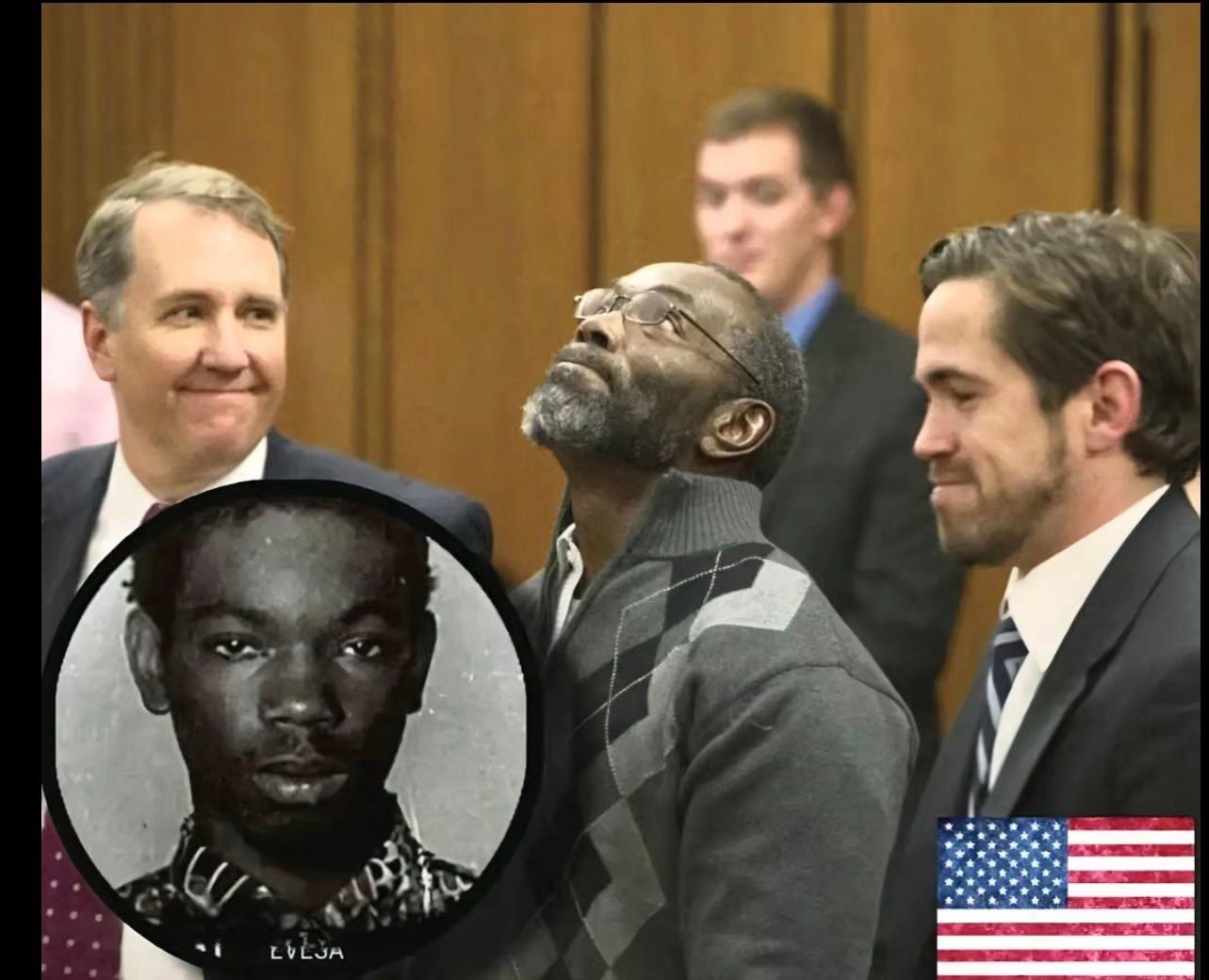
Ricky Jackson’s story is circulating widely again as one of the starkest illustrations of wrongful conviction in American history: an 18-year-old sentenced to death on the word of a single child witness, freed 39 years later when that witness finally told the truth.
Jackson walked out of an Ohio courtroom a free man in November 2014, after 39 years, 3 months and 9 days behind bars, at the time the longest wrongful imprisonment ending in exoneration ever recorded in the United States. He entered prison a teenager. He left at 57, having lost 14,178 days of freedom.

The 1975 Case Built on a Child’s Word
Jackson was arrested for the May 1975 murder of Harold Franks, a money-order salesman attacked outside a Cleveland corner store. No physical evidence connected Jackson, or his co-defendants, brothers Wiley and Ronnie Bridgeman, to the crime.
The prosecution’s case rested almost entirely on Eddie Vernon, a 12-year-old boy who told police he had seen the killing. All three men were convicted and sentenced to death; Jackson’s sentence was later commuted to life in prison after Ohio’s death penalty statute was struck down. He reportedly came within months of execution before the reprieve.
The Recantation That Changed Everything
For nearly four decades, Jackson insisted he was innocent. The break came when Vernon, by then an adult wrestling with decades of guilt, came forward through his pastor and admitted his testimony had been false.
Vernon said he had not witnessed the shooting at all: he had been on a school bus blocks away and repeated a rumor. He testified that detectives pressured and coerced him as a child, threatening that his parents could be jailed if he backed out of his identification of Jackson and the Bridgeman brothers.
Freedom, at Age 57
With the state’s only evidence demolished, prosecutors conceded the case could not stand. Jackson’s conviction was vacated, and on November 21, 2014, he was released, weeping as the judge told him he was free. Wiley Bridgeman was freed the same week; Ronnie Bridgeman, who had been paroled years earlier under the name Kwame Ajamu, saw his name cleared as well.
Cuyahoga County’s prosecutor did not oppose the men’s innocence declarations, clearing the way for state compensation for the decades lost. Ohio later awarded Jackson a multimillion-dollar settlement, money he has described as no substitute for a stolen life.

Why the Case Still Resonates
Jackson’s ordeal, championed by the Ohio Innocence Project after a Scene magazine investigation reopened the case, has become a touchstone in debates over eyewitness testimony, police coercion of child witnesses, and capital punishment. Had Ohio’s death penalty stood in the 1970s, an innocent man would have been executed on the word of a pressured 12-year-old.
His record for longest exoneration-ending imprisonment has since been surpassed, a grim marker of how many similar cases keep emerging. Jackson, for his part, has spoken publicly about forgiving Vernon, embracing him after the recantation, and about savoring ordinary freedoms: open skies, quiet mornings, and time, the one thing no court could give back.
This Ohio man was declared innocent after 39 YEARS on death row — the longest known wrongful imprisonment in U.S. history.
Ricky Jackson was 18 when he was sent to prison for a murder he didn’t commit. No physical evidence. Only a 12-year-old boy’s coerced testimony.
After… pic.twitter.com/AYTyDxAgcA
— Hope 🕊️ (@MrMakiri) July 13, 2026
FAQ
Who is Ricky Jackson?
A Cleveland man wrongfully convicted at 18 of the 1975 murder of Harold Franks, who served over 39 years before his 2014 exoneration.
What evidence convicted him?
Essentially only the testimony of Eddie Vernon, a 12-year-old boy; no physical evidence linked Jackson or his co-defendants to the crime.
Why was he released?
Vernon recanted as an adult, testifying police had coerced his childhood identification; prosecutors dropped the case and the conviction was vacated in November 2014.
How long did Jackson serve?
39 years, 3 months and 9 days, 14,178 days, then the longest US imprisonment ended by exoneration.
Did Jackson receive compensation?
Yes. Ohio declared him wrongfully imprisoned, entitling him to a multimillion-dollar settlement, though he has said no sum restores the decades lost.
Also Read | Why OnePlus Is Shutting Down Everywhere Outside China by 2027

