



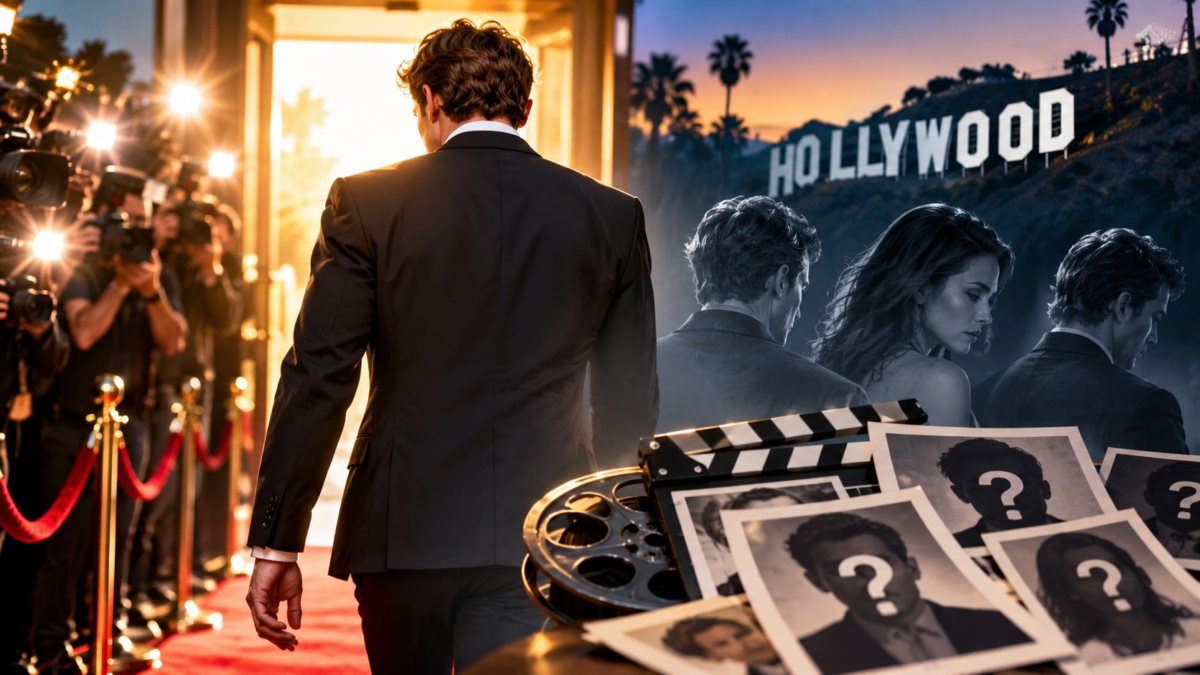
Every few years, a familiar question surfaces in entertainment coverage: whatever happened to that actor? The one who was everywhere, whose face was on every poster, whose name was attached to a franchise worth hundreds of millions of dollars. And then, without a clear announcement or a public farewell, they were gone.
The pattern is common enough to be a genre of its own. Listicles catalog the disappeared. Fan forums speculate. Years later, an interview surfaces that explains what happened, and the answer is almost never what the audience assumed.
The reality is that actors disappear from Hollywood for a range of reasons, and most of them have nothing to do with a lack of talent or a single bad decision. Typecasting, burnout, personal loss, industry politics, mental health, family priorities, and the brutal economics of a project-based industry all play roles. Sometimes multiple factors collide at once.
Here is a closer look at why it happens, how it happens, and what the stories of actors who walked away or were pushed out actually reveal about how Hollywood works.
Typecasting: The Role That Opens a Door and Closes Every Other One
Typecasting is one of the most common reasons actors disappear after a major role, and it works in a way that is counterintuitive. The performance that makes an actor famous is often the same performance that limits what the industry will offer them next.
George Lazenby played James Bond in “On Her Majesty’s Secret Service” (1969) and then essentially vanished from Hollywood. He was offered a multi-film contract and turned it down, partly on bad advice and partly because the Bond identity consumed his public persona so completely that no one could see him as anything else.
Jennifer Grey became a star through “Dirty Dancing” (1987). She later had rhinoplasty that altered her appearance enough that casting directors no longer recognized her. The combination of typecasting (she was “the Dirty Dancing girl”) and a physical change that erased her most identifiable feature ended her trajectory as a leading actress.
Jack Gleeson played Joffrey Baratheon in “Game of Thrones,” one of the most memorable villains in television history. He later said he quit screen acting because the work “became kind of mechanical” and he had “become less kind of passionate” about it. He has since returned to acting in smaller roles, but his years-long absence from the screen after one of the most-watched shows in history demonstrated how a defining role can exhaust the person playing it.
The mechanism is straightforward. An actor delivers a performance so distinctive that the industry can only imagine them doing that same thing again. When the actor tries to do something different, the offers dry up. When they accept the same type of role, the work feels repetitive, and the audience loses interest. Either path leads to the same result.
Burnout: When the Work Becomes Unsustainable
The physical and psychological demands of acting at a high level are often invisible to audiences. The press tours, the months on location, the emotional intensity of inhabiting difficult characters, and the relentless public scrutiny create a cumulative toll that can become unsustainable.
Tom Holland took a year off from acting after his role in the series “The Crowded Room” because the psychological demands of the part took a significant toll on his mental health. He has spoken publicly about needing time to recover.
Rachel McAdams took a two-year break from acting in the 2000s after starring in a rapid succession of major films including “Mean Girls” and “The Notebook.” The pace of production and promotion left her depleted.
Emma Watson has described feeling “caged” by the demands of her career after years of continuous filming, beginning with the Harry Potter franchise when she was a child.
Josh Hartnett was one of the biggest young stars of the early 2000s, with roles in “Pearl Harbor” and “Black Hawk Down.” He walked away from major studio films because the level of fame was, in his words, “overwhelming for a 21-year-old kid.” He has since returned to acting on his own terms, appearing in “Oppenheimer” (2023) and the television series “The Bear.”
The pattern in burnout cases is consistent: the actor does not hate acting. They hate the machinery that surrounds it. The 14-hour days, the invasive press cycles, the loss of privacy, and the industry expectation that success must be followed immediately by more success create conditions that are, for some people, incompatible with a sustainable life.
Personal Loss and Family Priorities
Some of the most respected departures in Hollywood history have been driven not by professional dissatisfaction but by personal circumstances that made continuing impossible or undesirable.
Rick Moranis was one of the most beloved comedy stars of the 1980s and 1990s, known for “Ghostbusters,” “Honey, I Shrunk the Kids,” and “Spaceballs.” After his wife, Ann Belsky, died of cancer in 1991, Moranis gradually stepped back from acting to raise his children as a single father. He did not make a formal retirement announcement. He simply stopped accepting roles. His decision is widely regarded as one of the most dignified exits in Hollywood history.
Macaulay Culkin became the highest-paid child actor in history through the “Home Alone” franchise. He stepped away from acting as a teenager in pursuit of what he described as a “normal life.” The pressures of child stardom, including legal disputes between his parents over his earnings, made the industry feel toxic. He has since returned to acting on a selective basis.
Cameron Diaz announced her retirement from acting in 2014, saying she wanted to focus on wellness, writing, and personal priorities. She has spoken about feeling that the industry required her to give up parts of herself that she was no longer willing to surrender.
In each of these cases, the actor made a calculation that their life outside the industry was more important than their life inside it. The calculation is more common than headlines suggest. For every departure that makes news, there are dozens of working actors who quietly reduce their output, decline offers, and restructure their lives without anyone noticing.
Industry Blacklisting and Power Dynamics
Not every disappearance is voluntary. Some actors are pushed out by industry power structures that operate largely out of public view.
Mira Sorvino won the Academy Award for Best Supporting Actress for “Mighty Aphrodite” in 1996. She appeared destined for sustained stardom. Instead, her career declined sharply in the years that followed. In 2017, during the emergence of the #MeToo movement, Sorvino revealed that she had been sexually harassed by producer Harvey Weinstein and had refused his advances. Director Peter Jackson later confirmed that Weinstein had discouraged him from casting Sorvino or Ashley Judd in the “Lord of the Rings” trilogy, effectively blacklisting them from one of the biggest film projects in history.
Rose McGowan, who starred in the Weinstein-produced “Scream,” has said she was similarly blacklisted after Weinstein allegedly assaulted her.
Daniel Kaluuya, who earned an Academy Award for “Judas and the Black Messiah,” has spoken about taking an extended break from acting after becoming “disillusioned” by the lack of substantial roles offered to him. He attributed the limitation to racism in the industry.
The Weinstein revelations and the broader #MeToo movement exposed what many in the industry had long known: that the careers of actors, particularly women, could be ended not by audience rejection or a lack of talent, but by the retaliatory power of executives and producers. The “blacklist” in Hollywood did not end with the McCarthy era. It simply became less formal and more personal.
The Economics of a Project-Based Industry
Hollywood is, fundamentally, a freelance economy. Actors do not have permanent employment. They move from project to project, and each role requires a new audition, a new negotiation, and a new round of competition.
This structure means that momentum is everything. An actor who takes a break, even a brief one, risks losing their place in the industry’s attention. Casting directors move on. Studios build relationships with whoever is available. The window of opportunity for a specific type of role may close permanently while an actor is away.
Zach Galligan starred in “Gremlins” (1984) and then attended Columbia University for four years. When he returned to Los Angeles to restart his acting career, the momentum had evaporated entirely. Four years was enough to erase the advantage that a hit film had given him.
The project-based nature of the industry also means that a single flop can reset an actor’s perceived value. Taylor Kitsch went from “Friday Night Lights” to leading roles in “Battleship” and “John Carter,” both of which underperformed massively at the box office. The failures were not his fault, but the industry’s risk calculus assigned responsibility to the most visible element of the project: the lead actor.
This economic reality is why some actors accept roles they know are mediocre. Staying visible is, for many, a survival strategy. The actors who disappear are often the ones who refused to play that game.
Child Stars: A Category of Their Own
Child actors face a unique version of every factor listed above, compounded by the fact that they entered the industry before they were old enough to consent to its demands.
Jake Lloyd, who played young Anakin Skywalker in “Star Wars: Episode I,” has spoken about the bullying and harassment he endured at school because of the role. His mother has cited his mental health struggles and family difficulties as additional factors in his departure from acting.
Danny Lloyd, who played Danny Torrance in “The Shining” (1980), left acting after one additional credit. He became a biology teacher. Acting, he explained, was something that happened to him rather than something he chose.
Carrie Henn played Newt in “Aliens” (1986) and never acted again. She became an elementary school teacher. Her explanation was simple: acting was not her passion. Teaching was.
The child star phenomenon demonstrates the most fundamental reason actors disappear: the decision to become an actor was, in many cases, never theirs to begin with. When they reach an age where the decision becomes their own, some of them choose differently.
What the Disappearances Reveal About Hollywood
The recurring pattern of actor disappearances reveals several structural truths about the entertainment industry.
First, Hollywood treats actors as products with shelf lives. The industry is designed to extract maximum commercial value from a performer during their peak years and then replace them. Actors who do not actively manage their careers can find themselves discarded the moment their commercial value dips.
Second, the personal cost of fame is real and cumulative. The actors who disappear are often the ones who were most honest about what the work was doing to them. The ones who stay are not necessarily healthier or happier. They are the ones who found coping mechanisms that allowed them to continue, or who decided the rewards were worth the cost.
Third, the industry’s power structures have historically punished actors who refused to comply with its informal rules. The Weinstein blacklist is the most documented example, but the pattern extends far beyond a single producer. Actors who challenged directors, refused to do press, or spoke publicly about industry problems have historically found their opportunities reduced.
Fourth, and most importantly, disappearing from Hollywood is not the same as failing. Rick Moranis raising his children. Gene Hackman writing novels in New Mexico. Carrie Henn teaching elementary school. Josh Hartnett living a private life in England before returning to acting on his own terms. These are not cautionary tales. They are people who made choices about how to live.
The question “whatever happened to that actor?” assumes that the only valid outcome of a successful acting career is more acting. The actors who disappeared suggest otherwise.
Quick-Reference: Notable Actors Who Disappeared and Why
| Actor | Major Role | Reason for Disappearing |
|---|---|---|
| Rick Moranis | Ghostbusters, Honey, I Shrunk the Kids | Wife’s death from cancer; chose to raise children |
| Gene Hackman | The French Connection, Unforgiven | Retired in 2004; stress of filmmaking and health concerns |
| Josh Hartnett | Pearl Harbor, Black Hawk Down | Fame was overwhelming; stepped away for personal wellbeing |
| Mira Sorvino | Mighty Aphrodite (Oscar winner) | Alleged blacklisting by Harvey Weinstein after refusing advances |
| Macaulay Culkin | Home Alone | Child stardom pressures; pursued normal life |
| Cameron Diaz | The Mask, There’s Something About Mary | Retired to focus on wellness, writing, and personal life |
| Jack Gleeson | Game of Thrones | Acting became “mechanical”; lost passion |
| George Lazenby | On Her Majesty’s Secret Service | Turned down Bond contract; typecasting |
| Jennifer Grey | Dirty Dancing | Rhinoplasty altered appearance; typecasting |
| Danny Lloyd | The Shining | Chose teaching career; acting was not his passion |
FAQs
Why do actors disappear after one big role?
Actors disappear for a variety of reasons, including typecasting (the industry only offers them similar roles), burnout from the physical and psychological demands of the work, personal priorities such as family or health, industry blacklisting, and the economics of a freelance industry where momentum is easily lost.
What is typecasting in Hollywood?
Typecasting occurs when an actor becomes so closely identified with a specific role or character type that the industry struggles to see them as anything else. This can limit the range of roles offered and eventually reduce an actor’s opportunities to near zero, even after a major success.
Which actors left Hollywood to raise their families?
Rick Moranis is the most prominent example. After his wife died of cancer in 1991, he gradually stopped accepting roles to raise his children as a single father. Cameron Diaz retired in 2014 to focus on personal priorities. Macaulay Culkin stepped away as a teenager to pursue a life outside the pressures of child stardom.
Was Mira Sorvino blacklisted from Hollywood?
Sorvino has said she believes she was blacklisted by Harvey Weinstein after refusing his advances. Director Peter Jackson confirmed that Weinstein discouraged him from casting Sorvino in the “Lord of the Rings” trilogy. The revelation emerged during the #MeToo movement in 2017.
Do actors who leave Hollywood ever come back?
Some do. Josh Hartnett returned to acting with roles in “Oppenheimer” and “The Bear” after years away. Jack Gleeson resumed acting in smaller television roles. Rick Moranis made selective appearances. However, many actors who leave, particularly those who left by choice, do not return to the same level of activity.
Why do child actors often disappear from acting?
Child actors face unique pressures including loss of privacy, bullying, exploitation of earnings, identity confusion, and the difficulty of transitioning from child roles to adult roles. Many were not old enough to consent to the demands of the industry and, upon reaching adulthood, choose different careers.
Also Read | Mike Love’s Health Update: What Happened to the Beach Boy

