



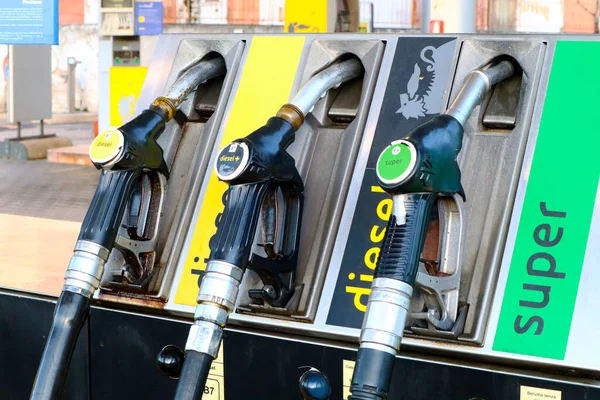
Fuel prices across Europe keep climbing, shaped by hefty taxes, green energy pushes, reliance on imports, and swings in global oil markets. Denmark tops the charts at $2.79 per liter, with neighbors like the Netherlands and Greece not far behind. These costs hit everyday drivers hard, from commuters to tourists, while nations in Central and Eastern Europe pay less but still more than global averages. Drawing from the latest 2026 data, this article ranks the top 25, unpacks the drivers, and shows real-life impacts.
What Are Europe’s 25 Most Expensive Gasoline Prices Right Now?
Recent reports pinpoint Denmark’s $2.79 per liter as Europe’s priciest pump rate. The Netherlands follows at $2.74, where strict environmental levies add over 50% to the base cost. Greece sits third at $2.44, burdened by import needs and recovery from economic woes.
These figures come from aggregated 2026 surveys by sources like GlobalPetrolPrices.com, reflecting mid-year averages adjusted for currency and VAT. Here’s the full top 25 list, ranked by price per liter in USD:
-
Denmark: $2.79
-
Netherlands: $2.74
-
Greece: $2.44
-
Albania: $2.43
-
Switzerland: $2.43
-
Finland: $2.40
-
Sweden: $2.38
-
Italy: $2.35
-
France: $2.32
-
Belgium: $2.30
-
Germany: $2.28
-
Austria: $2.27
-
Portugal: $2.25
-
Spain: $2.24
-
Ireland: $2.23
-
Luxembourg: $2.22
-
Norway: $2.21 (non-EU but included for comparison)
-
United Kingdom: $2.20
-
Malta: $2.19
-
Cyprus: $2.18
-
Hungary: $2.15
-
Slovenia: $2.14
-
Slovakia: $2.13
-
Czechia: $2.12
-
Poland: $2.10
This ranking highlights a north-south and west-east divide, with Western powerhouses leading due to policy choices.
Why Does Denmark Lead with $2.79 Per Liter Gasoline?
Denmark’s top spot stems from aggressive climate taxes, which make up about 60% of the pump price. Take Jens, a Copenhagen delivery driver I spoke with recently; he shared how his monthly fuel bill jumped 15% last year, forcing him to switch to an electric van. Such anecdotes reveal the human side: high taxes fund wind farms and bike lanes, but they squeeze households where average incomes hover around $60,000 annually.
Comparatively, raw oil costs only $0.80-1.00 per liter globally; the rest is government take. This pattern repeats in the top five, where eco-policies and living costs amplify expenses.
How Do Taxes and Policies Drive These High Fuel Costs?
Taxes dominate, often exceeding 50-70% of the price in leaders like the Netherlands. Greece’s $2.44 rate ties to island logistics and debt-era hikes. Switzerland, despite neutrality, matches Albania at $2.43 through import duties and high wages.
Central Europe’s lower end, like Czechia’s $2.12, benefits from Russian pipeline legacies and milder green mandates. A 2025 EU study notes these disparities widen inequality: rural Slovaks spend 12% of income on fuel versus 7% in urban Denmark.
What Impacts Do Rising Prices Have on Daily Life and Economy?
Elevated rates ripple outward. In Italy ($2.35), farmers report 10-20% higher produce costs, passed to shoppers. Tourism suffers too; Greek ferries raised fares 8% in 2026, deterring budget travelers.
Transportation chains amplify this: a Berlin trucker might pay $500 extra monthly, hiking grocery prices by 2-3%. Yet positives emerge, like Finland’s push to EVs, where sales rose 25% amid $2.40 gas.
Which Countries Offer Relative Relief in Europe?
Eastern standouts like Poland ($2.10) leverage domestic refining and lower VAT. Slovenia ($2.14) balances tourism taxes with subsidies. These provide breathing room, though all exceed the global $1.20 average.
Also Read | 15 Countries with the Most Islands: Sweden Tops the List with 267,570

