



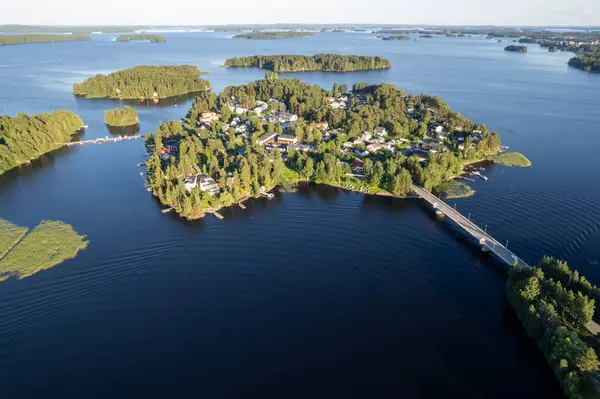
Did you know Sweden officially claims more islands than any other nation? This Nordic powerhouse leads with 267,570 islands, many scattered across its intricate archipelago like hidden gems in the Baltic Sea. Such rankings highlight how geography shapes nations, from glacial carvings in Scandinavia to volcanic chains in the Pacific. Canada, Indonesia, and others follow, boasting vast coastal realms that redefine borders. These figures, drawn from national surveys and UN data, vary slightly by definition—some count only landmasses over 1 square meter submerged at high tide. Yet they reveal a world of biodiversity hotspots and remote outposts. Which country’s island collection surprises you most?
Why Do Some Countries Dominate Island Counts?
Coastal geography drives these tallies. Sweden, Norway, and Finland owe their leads to post-Ice Age rebound, where rising land from melting glaciers birthed countless skerries and holms. Indonesia’s 17,504+ islands stem from tectonic clashes forming the Ring of Fire. The top 15 account for over a million islands globally, per estimates from the World Islands Network.
Take Sweden: Its 267,570 islands include Stockholm’s very own 30,000-islet backyard, supporting 10,000 residents year-round. These stats underscore not just quantity but habitability—only a fraction host people, preserving wild ecosystems.
Sweden’s Island Empire: 267,570 and Counting
Sweden reigns supreme with 267,570 islands, as certified by its land survey authority. Picture Vaxholm Fortress, guarding the Stockholm Archipelago’s eastern edge since the 16th century—a testament to how these isles shaped defense and trade. Over 24,000 exceed one hectare, fostering unique flora like rare orchids. This dominance, rooted in the Baltic’s shallow bays, outpaces even maritime giants.
Norway’s Fjord Islands: Second Place with 239,057
Norway trails closely at 239,057 islands, nestled amid fjords carved by ancient glaciers. Lofoten’s dramatic peaks draw 1 million visitors yearly, blending fishing heritage with aurora views. National counts confirm this edge over Finland, thanks to Svalbard’s Arctic additions.
Finland’s 178,947 Lake-Dotted Isles
Finland secures third with 178,947 islands, many in its 187,888 lakes—yes, the country has more lakes than islands elsewhere combined. The Åland Islands, autonomous with 6,500 specks, host Viking-era shipwrecks and thrive on ferry tourism.
Canada’s 52,455 Coastal Marvels
Canada ranks fourth with 52,455 islands, spanning from Haida Gwaii’s ancient cedars to Nunavut’s ice-rimmed outcrops. British Columbia alone claims 40,000, vital for Indigenous cultures and salmon runs.
Indonesia’s Volcanic 17,504+ Archipelago
Fifth is Indonesia, with over 17,504 islands across 5 million square kilometers. Java and Sumatra anchor this sprawl, where Komodo dragons roam UNESCO sites, supporting 270 million people.
Top 10 More: From Japan’s 14,125 to Greece’s 6,000
-
Japan (6th, 14,125 islands): Honshu’s neighbors fuel tech and tradition; Okinawa’s reefs host 25% of global coral species.
-
Philippines (7th, 7,641 islands): Palawan’s lagoons draw divers to 7,000+ specks.
-
Greece (8th, 6,000 islands): Cyclades like Santorini boast 227 inhabited gems.
-
United States (9th, 5,000+ islands): Alaska’s Alexander Archipelago leads with 2,000.
-
Thailand (10th, 1,430 islands): Phuket headlines Andaman paradises.
-
United Kingdom (11th, 1,000+ islands): Orkney’s Neolithic sites endure.
-
Chile (12th, 1,000 islands): Patagonia’s channels hide fjord havens.
-
Bahamas (13th, 700 islands): Exumas’ pigs swim in turquoise bays.
-
New Zealand (14th, 600 islands): Stewart Island shelters kiwis.
-
Croatia (15th, 1,244 islands): Dalmatia’s sails dot the Adriatic.
These counts blend official tallies with satellite data, emphasizing larger, named isles.
Which Island Nation Calls to You?
From Sweden’s serene skerries to Indonesia’s fiery chains, these countries showcase nature’s abundance. Stats reveal 80% remain uninhabited worldwide, safeguarding biodiversity amid climate shifts.
Frequently Asked Questions
How are islands officially counted?
Surveys measure land above high tide, varying by nation—Sweden includes tiny holms over 250 sqm.
What makes Scandinavian countries lead?
Glacial history fragmented their coasts into thousands of isles.
Are all these islands inhabited?
No; under 10% support populations, preserving ecosystems.
Also Read | American Men Who Changed History: Visionaries Who Shaped Our World

