



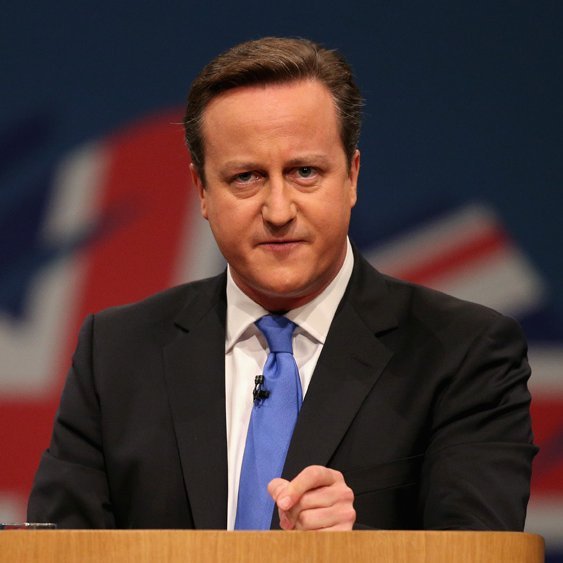
David Cameron was Prime Minister for 6 years total—from May 11, 2010, to July 13, 2016. His second term after the 2015 general election lasted only 1 year and 1 month (May 2015–June 2016) before he resigned following the Brexit referendum outcome.
David Cameron’s Second Term – Exact Dates and How Long He Served
Cameron won a surprise majority in the May 7, 2015 general election, ending his coalition government with Labour. He formally began his second term on May 11, 2015, becoming the first Conservative PM since 1987 to win a second consecutive majority.
His premiership ended when he resigned on June 24, 2016, the day after the Brexit vote. Theresa May replaced him on July 13, 2016.

How long was David Cameron PM?
-
Total: 6 years, 1 month (May 11, 2010 – July 13, 2016)
-
First term (coalition): 5 years (2010–2015)
-
Second term (solo majority): 1 year, 1 month (2015–2016)
What Happened During David Cameron’s Premiership After the 2015 Election?
The 2015–2016 period focused on three priorities:
The government also passed the Trade Union Act 2016, requiring 50% ballot turnout for strikes.
Why Did David Cameron Resign as Prime Minister in 2016?
Cameron resigned immediately after the Brexit referendum on June 23, 2016, when 51.9% voted to leave the EU. He had campaigned for “Stay” and pledged to respect the result.
His resignation statement:
“I think the country requires a new prime minister… I will not be the person to lead that effort.”
He cited personal responsibility for the defeat and chose not to stay as a transitional leader.
David Cameron’s Role in the Brexit Referendum That Ended His Career
Cameron announced the referendum in January 2013 to quell Conservative Euro-scepticism. His 2015–2016 EU renegotiation promised:
-
Restrictions on migrant welfare
-
Protection for the pound
-
Legal guarantee of UK sovereignty
But the referendum became a proxy vote on immigration and austerity. The “Leave” campaign, led by Boris Johnson and Michael Gove, dominated with the slogan “Take Back Control”.
Cameron’s gamble failed: 17.4 million voted Leave vs. 16.5 million Stay.
David Cameron’s Key Achievements and Controversies as Prime Minister
Achievements
-
Deficit reduction: From 10% (2010) to 4% (2016) of GDP
-
Fully independent Bank of England inflation target
-
Marriage Act 2013: Legalized same-sex marriage in England/Wales
-
Early Years Education: Free 30-hour childcare for working parents
-
Africa aid: Doubled UK aid to $1 bn/year; led G20 on malaria funding
Controversies
-
Austerity cuts: £100 bn in welfare/public spending reductions
-
Gunman at Croydon: 2014 police shooting of Jeremy Thomson criticized
-
EU referendum: Regarded as “the biggest political blunder” by The Times
-
Grenfell Tower: Delayed fire-safety reforms after 2018 inquiry
David Cameron Family Life – Wife Samantha, Children, and Personal Background
-
Born: October 9, 1966, London, England
-
Wife: Samantha Sheldon (married 1996); former advertising executive
-
Children: Four—Ivan (1996–2009, died at 13 from cerebral palsy), Nancy, Arthur, Florence
-
Education: Eton College, Brasenose College Oxford (BA in Philosophy, Politics, Economics)
-
Early career: Special Adviser to Norman Lamont (1992–94); Director of Corporate Affairs at National Commercial Bank (1994–98); Conservative MP for Witney (2001)
Cameron’s son Ivan’s death shaped his advocacy for disability services and mental health.
Where Is David Cameron Now in 2026? His Life After Downing Street
After 2016:
-
2016–2018: Chair of Bridgenet (digital infrastructure); served on Lord Young’s entrepreneurship council
-
2018–2021: Non-executive director at BlackRock (global investment firm)
-
2021: Appointed Foreign Minister by Boris Johnson (July–November 2021)
-
2022–2024: Returned to BlackRock; chaired UK-Radfar Commission on nuclear safety
-
2024: Reappointed Foreign Secretary by Rishi Sunak (November 2024–July 2025)
-
2025–2026: Special Adviser to PM Keir Starmer on international trade & climate; chairs Cameron Global (consultancy)
In June 2026, Cameron is not sitting in Parliament but remains influential on EU trade talks and COP30 climate negotiations. He holds the title Lord Cameron of Chipping Norton (created 2023).
David Cameron’s Legacy – From “Golden Generation” to Brexit Architect
Cameron’s legacy is deeply polarized:
He coined the term “Golden Generation” for Britons who served in WWII, later applying it to youth climate activists.
Brexit remains his defining failure: the UK’s economy lost an estimated 4% of GDP since 2016 due to trade friction.
FAQ
Q: How long was David Cameron PM?
A: 6 years, 1 month (May 11, 2010 – July 13, 2016). His second term lasted 1 year, 1 month.
Q: Did David Cameron serve two terms?
A: Yes. First term (2010–2015) was a coalition; second (2015–2016) was a Conservative majority.
Q: Why did Cameron resign after Brexit?
A: He campaigned for “Stay,” lost the vote, and took personal responsibility.
Q: What is David Cameron doing in 2026?
A: Special Adviser to PM Starmer on trade/climate; chairs Cameron Global.
Q: What were Cameron’s biggest achievements?
A: Same-sex marriage, deficit reduction, Net Zero pledge, £1 bn/year Africa aid.
Also Read | How Long Did Every UK Prime Minister Serve Since 2015

 lasted just 1 year before he resigned after the Brexit vote. Learn his...)