



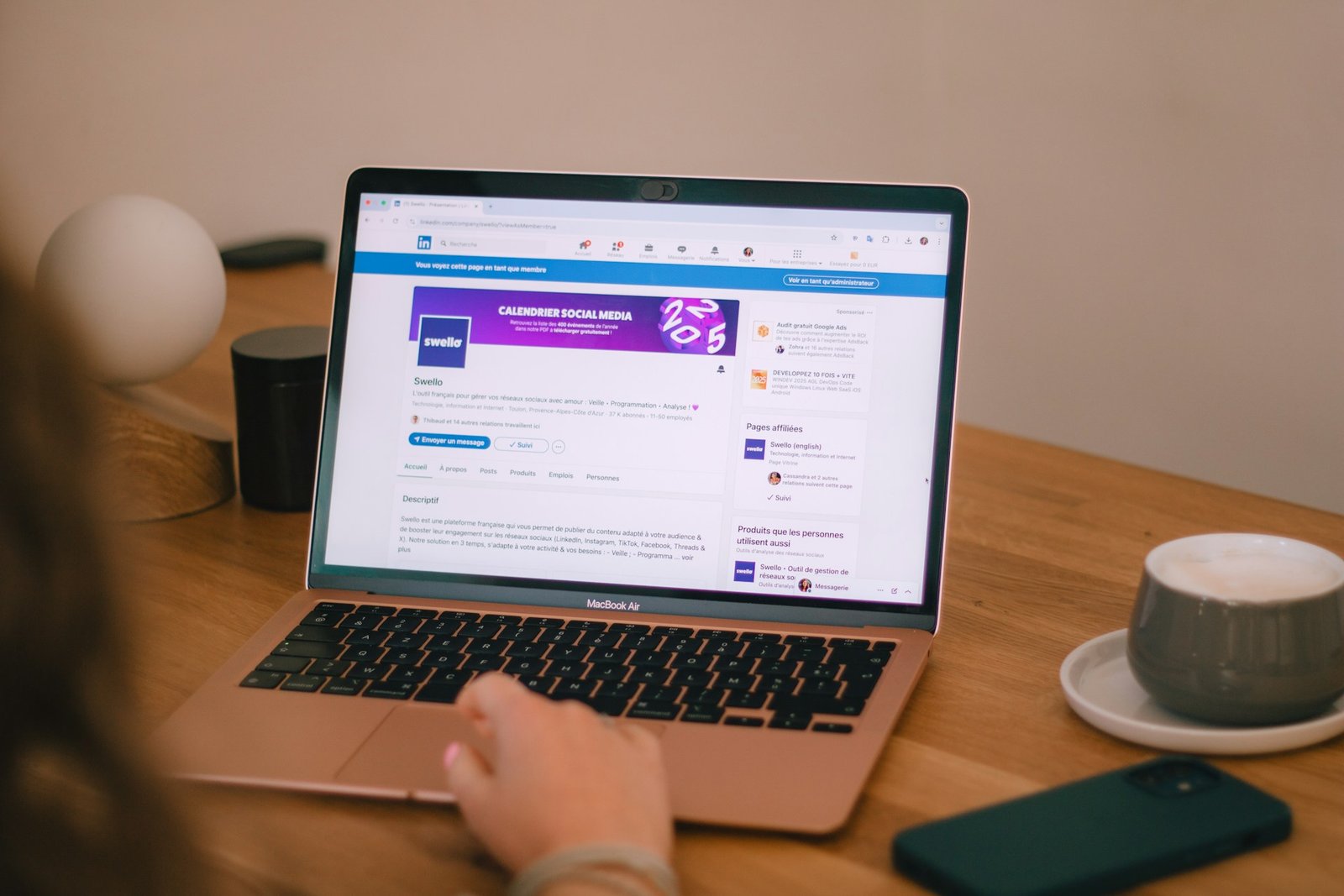
When most people hear the words “personal brand,” they picture someone filming daily videos, chasing viral moments, or posting motivational quotes over sunset photos. That version of personal branding exists, but it is not the only version, and for most working professionals, it is not the most useful one.
A personal brand, at its core, is simply your professional reputation made visible. It is what people find when they search your name online. It is the impression a recruiter, client, or collaborator forms about you before a conversation ever begins.
According to research compiled by Wave Connect, 44% of employers have hired someone because of their personal brand, and 54% have rejected candidates because of a poor online presence. LinkedIn’s 2025 Workplace Report found that professionals with active personal brands on the platform receive 47% more inbound opportunities than those with dormant profiles.
These numbers are not about follower counts or viral content. They are about being findable, credible, and clear about what you do and why you do it well.
This article is for professionals, graduates, educators, freelancers, and career-minded individuals who want to build a meaningful online presence without performing for an audience, chasing trends, or pretending to be someone they are not. It covers what a professional personal brand actually looks like, how to build one step by step, and the common mistakes that hold people back.

What a Personal Brand Actually Is (and What It Is Not)
Before building anything, it helps to clear up a common misunderstanding.
Personal Brand vs. Influencer Brand
An influencer brand is built on attention. The goal is to attract a large following, often through entertainment, lifestyle content, or personality-driven media. Revenue typically comes from sponsorships, brand deals, and advertising.
A professional personal brand is built on trust. The goal is to be recognized as someone who is knowledgeable, reliable, and skilled in a specific area. Revenue, or career advancement, comes from job offers, consulting opportunities, partnerships, speaking invitations, and client referrals.
Also Read | Remote Jobs You Can Do From Nigeria Without Paying Any Registration Fee
| Influencer Brand | Professional Personal Brand |
|---|---|
| Built on audience size and engagement | Built on expertise and credibility |
| Requires constant content creation | Requires consistent, not constant, visibility |
| Monetized through sponsorships and ads | Monetized through career opportunities and client work |
| Often personality-driven | Often knowledge-driven |
| Success measured in followers and views | Success measured in trust, opportunities, and reputation |
You do not need to become a public figure to have a strong personal brand. You need to be easy to find, easy to understand, and easy to trust.
Why Every Professional Needs a Personal Brand
It Replaces the Old Resume
A traditional resume is a static document you send to someone after they have already decided to consider you. A personal brand works in the other direction: it brings opportunities to you before you even apply.
LinkedIn data shows that a complete profile appears in 40 times more recruiter searches than an incomplete one. When someone hears your name at a conference, reads your comment on a post, or sees your work cited somewhere, the first thing they do is search for you online. What they find (or do not find) shapes whether they reach out.
It Builds Trust Before the First Conversation
According to the Edelman-LinkedIn 2025 B2B Thought Leadership Impact Report, 51% of decision-makers said high-quality thought leadership helped them decide which professionals or vendors to work with. In fields where trust matters (education, consulting, finance, technology, healthcare), your visible expertise acts as proof of competence before a word is exchanged.
It Works for Every Career Stage
A student can use a personal brand to stand out when applying for internships. A mid-career professional can use one to attract better job offers or freelance clients. An educator can use one to share resources and connect with peers globally. A business owner can use one to build authority in their industry without spending on advertising.
Personal branding is not reserved for executives or entrepreneurs. It is useful for anyone whose career depends on being known for something specific.
Step-by-Step: Building Your Personal Brand
Step 1: Define What You Want to Be Known For
This is the foundation. Everything else builds on it.
Ask yourself three questions:
- What do I know well? Your specific skills, training, or professional experience.
- What do I care about? The problems, industries, or communities that genuinely interest you.
- What do people already come to me for? The advice, skills, or help that colleagues, classmates, or friends regularly ask you about.
The intersection of these three answers is your niche. A graphic designer might be known specifically for brand identity work for educational institutions. A teacher might be recognized for innovative methods of teaching mathematics to struggling students. A software developer might become the go-to person for explaining complex backend concepts in simple terms.
The narrower and more specific your focus, the easier it is for the right people to find and remember you.
Also Read | How to Start Freelancing in Nigeria With No Experience
Step 2: Audit Your Current Online Presence
Before building, see what already exists. Search your own name on Google and note what comes up. Check your LinkedIn profile, any social media accounts, and any other places where your name appears online.
Ask yourself:
- Does what appears online accurately represent my professional skills and values?
- Would a potential employer, client, or collaborator form a positive impression?
- Is there anything outdated, irrelevant, or potentially harmful?
This audit tells you where you are starting from and what needs to change.
Step 3: Optimize Your LinkedIn Profile
For most professionals, LinkedIn is the single most important platform for personal branding. It ranks highly in search results, and it is where recruiters, hiring managers, and business contacts look first.
- Headline: Do not just list your job title. Describe the value you provide. Instead of “Marketing Manager at XYZ Company,” try “Marketing Manager | Helping Education Brands Reach More Students Through Content Strategy.”
- About section: Write in the first person. Explain what you do, who you help, and what makes your approach effective. Include specific results or areas of expertise.
- Experience: Go beyond listing responsibilities. Describe outcomes: projects completed, problems solved, results achieved.
- Skills and endorsements: List skills that align with your niche. Ask trusted colleagues to endorse the ones that matter most.
- Photo and banner: Use a clear, professional-quality headshot. Your banner image can reinforce your professional focus (your field, your company, or a visual related to your work).
Step 4: Create a Simple Personal Website (Optional but Valuable)
A personal website gives you a space you fully control. It does not need to be complex. A single page with the following elements is enough to start:
- A brief professional bio
- Your areas of expertise
- Links to your best work (articles, projects, case studies, presentations)
- Contact information or a way to reach you
Free or affordable options like WordPress, Carrd, or a simple Google Site work well. As Forbes noted in its 2026 personal branding trends analysis, personal websites are regaining importance because AI search tools and Google’s AI overviews increasingly pull content from personal sites when someone searches your name.
Step 5: Share Your Knowledge (Without Performing)
This is where many people get stuck. They assume that “content creation” means producing daily videos, writing long thought-leadership essays, or maintaining a blog with weekly posts.
It does not.
Sharing your knowledge can be as simple as:
- Commenting thoughtfully on other people’s posts. A well-considered comment on someone else’s LinkedIn article can be just as effective as writing your own post. It shows expertise without requiring you to create something from scratch.
- Writing occasional articles or posts. Even one or two posts per month, sharing a lesson you learned at work, a resource you found valuable, or your perspective on an industry development, keeps you visible.
- Answering questions in professional communities. Forums, Slack groups, WhatsApp professional groups, and LinkedIn groups are all places where you can demonstrate knowledge by helping others.
- Sharing curated content with your own commentary. Reposting an article with a sentence or two about why it matters to your field shows engagement without demanding original content.
The goal is consistency, not volume. Posting once a week with something genuinely useful is far more effective than posting daily with filler content.
Step 6: Build Relationships, Not an Audience
Influencers build audiences. Professionals build networks.
The difference matters. An audience is one-directional: they watch you. A network is mutual: you support each other.
Practical ways to build your professional network online:
- Connect with people in your field and send a brief, personalized message when you do.
- Congratulate colleagues on achievements, promotions, or published work.
- Introduce people who could benefit from knowing each other. This is one of the most underrated ways to build a strong professional reputation.
- Engage genuinely with other people’s content. Like, comment, and share things you actually find valuable.
Over time, these small interactions compound into a network of people who know your name, trust your judgment, and think of you when opportunities arise.
Also Read | Top 10 Fully Funded Scholarships for Nigerians to Study Abroad
Step 7: Let Your Work Speak
The strongest personal brands are backed by evidence. Wherever possible, make your work visible.
- If you write reports, articles, or research, publish them (or summaries) where others in your field can find them.
- If you speak at events, workshops, or webinars, share the recordings or key takeaways.
- If you complete a successful project, write a brief case study (with client permission) or describe the challenge and outcome.
- If you receive positive feedback or testimonials, ask permission to share them.
This is not self-promotion. It is documentation. You are making it easy for others to see what you are capable of.
Real-World Scenarios
Scenario 1: The Quiet Expert
Ngozi is an accountant in Abuja with ICAN certification and 8 years of experience working with small businesses. She has never posted on LinkedIn. After optimizing her profile and writing three posts over the course of a month (one about a common tax filing mistake she sees, one about how small businesses can prepare for audits, and one sharing a resource from the Federal Inland Revenue Service), she receives two connection requests from business owners asking about her consulting availability. She did not create a single video or gain a large following. She simply made her expertise visible.
Scenario 2: The Graduate Standing Out
Femi is a recent computer science graduate with no full-time work experience. He starts a simple GitHub portfolio showcasing three personal projects and links it in his LinkedIn profile. He writes one LinkedIn post explaining what he learned while building a budgeting app as a side project. A startup founder sees the post through a mutual connection and invites Femi for an interview. His personal brand was not built on followers. It was built on showing what he could do.
Scenario 3: The Educator Building Reach
Mrs. Adeyemi teaches secondary school English in Ibadan. She starts sharing short teaching tips and book recommendations on LinkedIn once a week. Within six months, she is invited to contribute to a teacher training webinar organized by a national education NGO. Her personal brand helped her move from a local classroom to a national professional community, without ever chasing viral content.
Expert Tips
Start before you need it. The worst time to build a personal brand is when you urgently need a job or clients. Build your visibility while things are stable, so that when opportunities arise, your reputation is already working for you.
Focus on one platform first. Trying to maintain a presence on LinkedIn, X (Twitter), Instagram, a blog, and a podcast simultaneously is overwhelming and unsustainable for most people. Choose the platform where your target audience spends time (for most professionals, this is LinkedIn) and invest your energy there.
Be specific, not generic. “I am a marketing professional” tells people very little. “I help educational technology companies improve student enrollment through email marketing campaigns” tells people exactly who you serve and how. Specificity makes you memorable.
Do not confuse personal branding with personal oversharing. Your personal brand is your professional reputation. It does not require sharing your morning routine, family details, or emotional struggles unless you genuinely want to and it serves your professional goals. Boundaries are not only acceptable; they are healthy.
Update regularly, even if slowly. A LinkedIn profile that has not been touched in three years signals that you are not active in your field. Even small updates (a new skill, a completed course, a project summary) keep your profile fresh and relevant.
Ask for recommendations. LinkedIn recommendations from colleagues, managers, or clients carry significant weight. They provide third-party validation that is more convincing than anything you could write about yourself.
Common Mistakes to Avoid
Trying to appeal to everyone. A personal brand that tries to speak to every possible audience ends up resonating with none of them. Choose a clear niche and commit to it.
Copying someone else’s style. What works for a charismatic tech CEO on X may not work for a mid-career engineer on LinkedIn. Authenticity matters more than imitation. Your brand should sound like you, not like a template.
Treating your profile as a static document. Your LinkedIn profile is not a resume you upload once and forget. It is a living professional presence that should evolve as your skills, roles, and goals change.
Prioritizing aesthetics over substance. A beautifully designed personal website with no real content is less effective than a plain LinkedIn profile filled with genuine expertise and results.
Waiting until you feel “ready.” There is no perfect time to start. Your first post will not be your best, and that is fine. Consistency and improvement over time matter far more than a perfect debut.
Confusing visibility with vanity. Some professionals avoid personal branding because they associate it with showing off. Making your expertise visible is not arrogant. It is practical. It helps the right people find you for the right reasons.
Also Read | Everything You Need to Know at Work: Complete Guide to Workplace Skills
Frequently Asked Questions
1. Do I need a large social media following to have a personal brand?
No. A personal brand is about reputation and credibility, not follower count. A LinkedIn profile with 300 connections but strong content, clear expertise, and genuine engagement can generate more career opportunities than an account with 50,000 followers and no substance. Focus on reaching the right people, not the most people.
2. How much time does building a personal brand require?
It does not need to consume your day. Spending 30 minutes per week (updating your profile, writing or commenting on one post, connecting with a few relevant people) is enough to maintain a visible and growing professional presence. The key is consistency over time, not large bursts of effort followed by long silences.
3. Can introverts build a strong personal brand?
Absolutely. Written content, thoughtful comments, published articles, and behind-the-scenes work are all effective brand-building activities that do not require being outgoing or performative. Many of the strongest professional brands are built by people who prefer depth over volume, one well-crafted post or article can have more impact than dozens of surface-level updates.
4. Is LinkedIn the only platform that matters for personal branding?
LinkedIn is the most important platform for most professionals because it is specifically designed for professional networking and appears prominently in Google search results. However, depending on your field, other platforms may also be relevant. Developers often build brands through GitHub and Stack Overflow. Designers use Behance or Dribbble. Writers may benefit from Medium or Substack. Educators can build visibility through academic networks or professional associations. Choose the platform where your target audience already spends time.
5. What is the difference between personal branding and self-promotion?
Self-promotion focuses on telling people how great you are. Personal branding focuses on showing people what you know and what you can do. The distinction is between talking about yourself and demonstrating value. When you share a useful insight, help someone solve a problem, or publish work that others learn from, you are building a brand. When you simply broadcast achievements without context or value to others, that is self-promotion. The best personal brands are built by people who focus more on being useful than on being noticed.
Key Takeaways
- A personal brand is your professional reputation made visible online. It is not the same as being an influencer.
- 44% of employers have hired someone based on their personal brand, and 54% have rejected candidates due to a poor online presence. Your digital footprint matters.
- Start by defining what you want to be known for: the intersection of your skills, interests, and what people already seek your help with.
- LinkedIn is the most important platform for most professionals. A complete, active profile receives significantly more attention from recruiters and collaborators.
- You do not need to create content constantly. Thoughtful comments, occasional posts, and making your work visible are enough.
- Build relationships, not an audience. A strong professional network is more valuable than a large but disengaged following.
- Consistency matters more than volume. One useful post per week is better than daily content with no substance.
- A personal brand works for every career stage, from students seeking internships to experienced professionals attracting clients or leadership opportunities.
Conclusion
Building a personal brand does not mean reinventing yourself or performing for an online audience. It means making it easy for the right people to find you, understand what you do, and trust that you do it well.
You already have skills, knowledge, and experience worth sharing. The only question is whether those things are visible to the people who need to see them.
Start with your LinkedIn profile. Define your niche. Share something useful once a week. Engage genuinely with others in your field. Let your work speak for itself.
You do not need to become famous. You just need to be findable, credible, and clear. That is a personal brand, and it is one of the most practical investments you can make in your career.
Also Read | How to Tell if an Online Job Is Genuine Before Applying

