



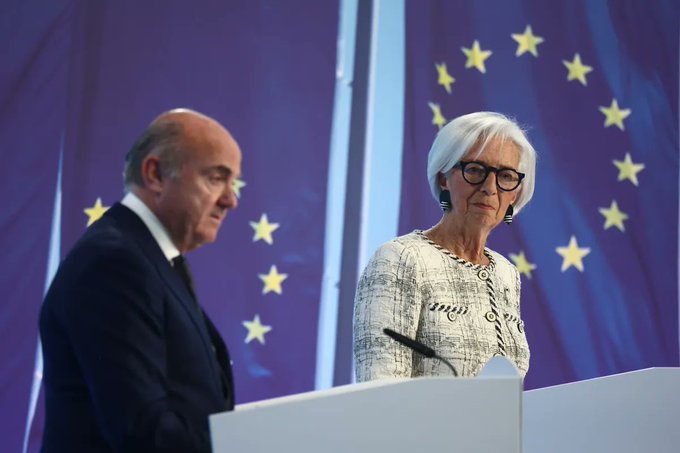
Oil prices brushed $130 a barrel this week, forcing the European Central Bank and Bank of England into hawkish territory just as families brace for steeper heating and grocery bills, reports iShareNews.
Central bankers in Frankfurt and London held rates steady on April 30 but dropped clear hints of June increases to combat resurgent inflation from the Iran-fueled Middle East conflict.

The Strait of Hormuz blockade has choked global energy flows, spiking costs across Europe where growth already lags.
ECB President Christine Lagarde warned the war creates “upside risks for inflation and downside risks for growth,” with energy passing straight to consumer prices.
This pivot marks a painful reversal. Households, still recovering from 2022’s energy crunch, now face bills that could add £35 billion to the UK economy’s burden alone, per think tanks.
Bank of England Governor Andrew Bailey called it a “significant energy shock,” complicating choices between curbing prices and propping up activity: “There are really challenging judgments to be made.” Forecasts show UK inflation possibly hitting 4.1% by early 2027, even in milder scenarios.
Small businesses echo the strain, with manufacturers halting production amid power uncertainty. Investors, meanwhile, price in two to seven hikes, reshaping mortgage markets and consumer spending.
As turmoil lingers, these banks walk a tightrope over stagflation. Watch June meetings for moves that could redefine Europe’s cost-of-living fight.
Also Read | Meta Shares Slide as AI Spending Bill Spooks Investors

