



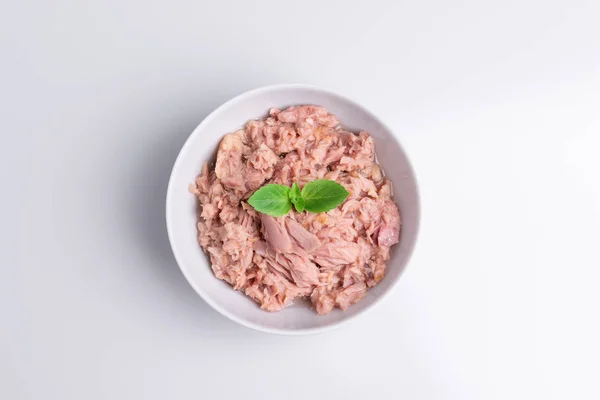
Tinned tuna has become a pantry hero: affordable, versatile, and packed with nutrients. As sales surge, many people are asking whether it is safe to eat tuna often and what risks might come with frequent consumption. This article answers those questions clearly, referencing expert guidance and scientific data, and offers practical recommendations for how many times a week you can safely include tuna in your diet.

How healthy is tinned tuna? The benefits that keep you reaching for a can
Tinned tuna delivers high-quality protein, essential omega-3 fatty acids, and several vitamins and minerals that support heart, brain, and muscular health. A typical 100 g serving of light canned tuna contains about 23–25 g of protein and provides niacin, vitamin B12, selenium, and phosphorus. Omega-3s, especially eicosapentaenoic acid (EPA) and docosahexaenoic acid (DHA), support cardiovascular health by lowering triglycerides and modestly improving blood pressure. For many, canned tuna is one of the most cost-effective ways to add lean protein and beneficial fats to meals such as salads, sandwiches, and pasta dishes.
-
Example: A 2020 meta-analysis found that higher omega-3 intake is associated with a lower risk of coronary heart disease events.
-
Statistic: A 100 g serving of light tuna typically supplies roughly 1 g of combined EPA and DHA; exact amounts vary by species and processing.
Can you eat too much tuna? The mercury question every shopper asks
The primary concern with frequent tuna consumption is mercury, a neurotoxin that accumulates in larger predatory fish. Methylmercury crosses the blood-brain barrier and, at high exposures, can impair neurological development in fetuses and young children. Public health agencies recommend limits to reduce that risk.
-
Key guidance from authorities:
-
United States EPA and FDA advise that adults eat up to 2–3 servings per week of lower-mercury commercial fish, but pregnant or breastfeeding women and young children should follow stricter limits.
-
The UK Food Standards Agency gives specific portions and frequency by tuna type.
-
-
Explanation: Light canned tuna (usually skipjack) has lower average mercury levels than albacore (white) tuna, which is larger and tends to contain higher mercury.
Which tuna contains more mercury?
-
Light (skipjack) tuna: lower mercury, safer for more frequent consumption.
-
Albacore (white) tuna: higher mercury, recommended in smaller quantities.
How many times a week can you safely eat tuna? Practical, evidence-based limits
General adult guidance that balances benefits and risks:
-
If you eat light canned tuna: up to 3–4 servings (one serving = about 100 g cooked weight or a standard 165 g can drained) per week is generally considered safe for most adults.
-
If you eat albacore (white) tuna: limit to about 1 serving per week.
-
Pregnant and breastfeeding women and young children: follow more conservative limits—often no more than 1–2 servings of low-mercury tuna per week and avoid high-mercury species.
These recommendations account for average mercury content and cumulative exposure from other seafood. If you regularly eat multiple seafood servings a week, adjust tuna frequency downward to keep total mercury exposure within safe bounds.
Example scenarios:
-
Someone who eats salmon twice weekly (low mercury, high omega-3) plus tuna should limit tuna to 1–2 light-tuna servings per week.
-
A family that relies heavily on tinned tuna for multiple meals should rotate with other low-mercury options such as sardines, mackerel (Atlantic, not king), trout, or haddock.
Choosing the healthiest tins: labels, types, and what they mean for you
Look at can labels to make safer choices:
-
Check species: “Light tuna” usually indicates lower mercury types, while “albacore” or “white tuna” signals higher mercury.
-
Check sodium: Some tins are packed with brine and are high in salt. Prefer low-sodium or tuna packed in water.
-
Look for sustainability certifications where possible (e.g., MSC) if you are concerned about overfishing and ecosystem impact.
Practical tip: Opt for tuna in water if you want to reduce added fats and sodium; choose olive oil-packed tins occasionally for flavor and calories when needed.
How to include tuna safely and enjoyably: recipes, swaps, and meal ideas
Rotate fish choices and pair tuna with nutrient-rich ingredients:
-
Quick meals: Tuna salads with mixed greens and beans; tuna-stuffed tomatoes; tuna and avocado toast.
-
Family-friendly: Tuna pasta with vegetables, tuna patties baked rather than fried.
-
Swaps: Replace one tuna serving a week with sardines or canned salmon to increase omega-3s and reduce mercury load.
Anecdote: A nutritionist I spoke with described a busy parent who switched two weekly tuna recipes to canned salmon and sardines. Within months, the parent felt less anxious about mercury while their family enjoyed more variety and higher omega-3 intake.
Signs of overconsumption and when to seek advice
There are no immediate, dramatic symptoms from moderate mercury exposure, but high chronic exposure can cause:
-
Neurological symptoms (numbness, coordination difficulties, memory problems)
-
For pregnant women, potential developmental effects on the fetus
If you have concerns—especially if pregnant, breastfeeding, or feeding young children—talk with your healthcare provider about dietary patterns and consider testing or tailored recommendations.
FAQs
Q: Is canned tuna better than fresh tuna for mercury?
A: Mercury concentration depends on species and size, not whether it is fresh or canned. Canned light tuna (from smaller species) typically has lower mercury than fresh large tuna like bigeye or bluefin.
Q: Does cooking reduce mercury?
A: No. Mercury binds within fish tissue and is not reduced by cooking or canning.
Q: Can I eat tuna every day if I choose light tuna?
A: Daily consumption is not recommended because mercury accumulates. Following the weekly limits above is safer.
Q: Are there groups who should avoid tuna entirely?
A: Pregnant women, breastfeeding women, and young children should limit tuna and follow local agency guidance; those with specific health concerns should ask their clinician.
Also Read | Super El Niño Fears Grow as UK Faces Extreme Heat

