



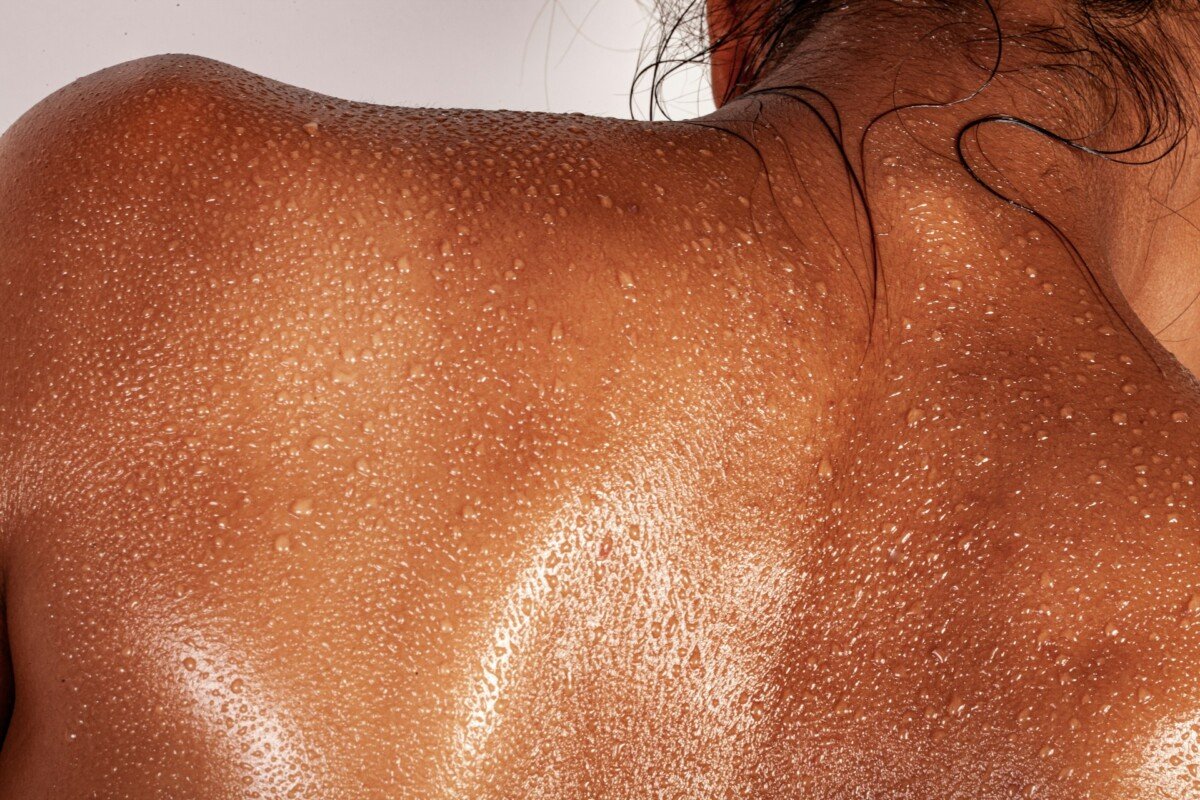
If you grew up believing that a daily shower is simply what clean people do, the advice for later life may catch you off guard. For many adults over 65, showering every single day is not only unnecessary, but it can also quietly work against the health of your skin.
The reason is not laziness or lowered standards. It is biology. Skin changes as we age, and the routine that served you well at 30 can leave skin at 70 dry, itchy, and more fragile. Dermatologists increasingly suggest that most older adults do not need a full shower every day, and that a gentler, less frequent approach often keeps skin healthier.
Here is what the guidance actually says, why aging skin behaves differently, and how to bathe in a way that protects your skin and your safety.

Key Takeaways
- For many adults over 65, a full shower every two to three days is often enough, rather than every day.
- Aging skin makes less natural oil and has a weaker moisture barrier, so frequent hot showers can worsen dryness and itching.
- Daily washing of a few key areas, such as the underarms, groin, and feet, keeps you clean without stripping the whole body.
- How you shower matters as much as how often: lukewarm water, short showers, gentle cleansers and prompt moisturizing all protect the skin.
- Frequency is individual. Incontinence, heavy sweating, wounds, infections, and personal comfort can all mean more washing is appropriate.
So How Often Should You Shower After 65?
For most healthy older adults, a full shower every two to three days is generally sufficient. This is not a rule that fits everyone, but it reflects how much aging skin has changed and how easily frequent bathing can dry it out.
Elizabeth Gordon Spratt, MD, a board-certified dermatologist at University Hospitals, has said that one shower every two to three days is sufficient for many elderly adults, because their skin tends to be drier and frequent bathing can make that worse. On the days in between, you can stay fresh by washing the areas that actually need it.
That last point is important. Cutting back on full showers does not mean skipping hygiene. It means being more targeted about it, which for older skin is often the healthier choice.
Why Aging Skin Changes the Rules
To understand the advice, it helps to know what happens to skin over time. With age, the skin becomes thinner, drier, and less elastic. Its ability to hold on to water declines, its repair processes slow, and the oil and sweat glands that once kept it supple produce less moisture.
The result is a natural tendency toward dryness that doctors call xerosis, and in older adults specifically, senile xerosis. Dry, rough, flaky, or itchy skin is extremely common later in life, and it is not only uncomfortable. Skin that is dry and cracked is a weaker barrier, which can make itching, irritation, and even minor infections more likely.
Now add a daily hot shower with regular soap. Hot water and harsh cleansers strip away the thin layer of natural oils that older skin can barely afford to lose. Each shower that removes those oils leaves the barrier a little more depleted, and the skin drier and itchier than before. That is why, for aging skin, more showering can sometimes mean more problems.
What Dermatologists and Skin Care Guidance Say
The message from skin experts is consistent. Less frequent full bathing, combined with gentler technique, tends to serve older skin better.
Guidance on skin care for older adults from the dermatology field recommends keeping showers or baths short, in the range of five to ten minutes, and using lukewarm rather than hot water to prevent extra moisture loss. It advises choosing fragrance-free, soap-free cleansers that protect the skin’s natural lipids, and using a mild emollient cleanser for anyone with very dry or itchy skin. Traditional harsh soaps are best avoided.
Dr. Spratt similarly recommends never using hot water, keeping showers brief, and choosing gentle cleansers labeled fragrance-free or for sensitive skin, ideally ones containing ceramides, which are fats that help skin hold moisture. She also notes that for most people the sensible maximum is about two showers a day, a reminder that more is not better.
None of this is fringe advice. It reflects a practical understanding of how aging skin loses moisture and how bathing habits can either help or harm it.
The Downsides of Showering Too Often After 65
When older skin is bathed too frequently or too harshly, several problems tend to follow.
- Dry, tight, or flaky skin, as natural oils are repeatedly washed away.
- Itching, which can range from mildly annoying to disruptive, especially at night.
- A weakened skin barrier, leaving skin more prone to irritation, cracking, and infection.
- Aggravation of existing conditions such as eczema, which are common in later life.
There is also a safety angle that has nothing to do with skin. Showers and baths are among the more common places for older adults to slip and fall. Reducing unnecessary daily showers, while making the ones you do take safer, can lower that risk as a welcome side effect.
When You Might Actually Need to Shower More
Less frequent showering is a general guideline, not a one-size-fits-all rule, and there are clear situations where washing more often is the right call. Skipping needed hygiene can cause its own problems, including skin breakdown, odor, and infection.
Consider more frequent washing if you or the person you care for:
- Experience urinary or bowel incontinence, where prompt cleaning protects the skin.
- Sweat heavily, exercise, or live in a hot, humid climate.
- Have wounds, skin folds, or conditions that need regular cleaning to prevent infection.
- Simply feel better, more comfortable, and more confident with a daily rinse.
Comfort and dignity count. If a warm daily shower is part of what makes someone feel like themselves, the goal is to make that shower gentle and safe, not to forbid it. The aim is healthy skin, not an arbitrary schedule.
How to Shower in a Way That Protects Aging Skin
How you shower may matter as much as how often. A few adjustments protect the skin barrier and reduce dryness.
- Use lukewarm water, never hot. Hot water feels good but pulls moisture out of the skin.
- Keep it short. Five to ten minutes is plenty.
- Choose a gentle cleanser. Look for fragrance-free or sensitive-skin formulas, ideally with ceramides, glycerin, or similar barrier-supporting ingredients. Avoid harsh, heavily fragranced soaps.
- Wash strategically. Focus cleanser on areas that collect sweat and odor, such as the underarms and groin, and simply rinse the rest with water.
- Be gentle. Use your hands or a soft cloth rather than a rough scrubber, and pat skin dry instead of rubbing.
- Moisturize right away. Apply a rich moisturizer or emollient within about three minutes of getting out, while skin is still slightly damp, to lock in moisture. Creams and ointments generally work better than thin, watery lotions for very dry skin.
For safety, consider grab bars, a non-slip mat, and a shower seat. These simple additions make bathing far less risky and can restore confidence for anyone unsteady on their feet.
What to Avoid
A few common habits do more harm than good for older skin.
- Long, hot showers, which strip oils and worsen dryness.
- Harsh or heavily scented soaps and body washes.
- Vigorous scrubbing with rough sponges or brushes.
- Skipping moisturizer, especially after bathing.
- Over-washing out of habit when skin is already dry and irritated.
If skin is already dry and itchy, resist the urge to scrub harder or shower more to feel clean. That usually makes things worse. Gentler and less often, with good moisturizing, is the more effective path.
When to Talk to a Healthcare Professional
Everyday dryness usually responds well to gentler bathing and regular moisturizing. Some signs, though, deserve professional attention.
Speak with a doctor or dermatologist if you notice itching that lasts more than a couple of weeks despite good skin care, skin that is cracked, bleeding, or looks infected, with redness, warmth, swelling, or oozing, or dryness severe enough to disrupt sleep or daily life. Persistent or widespread itching can occasionally signal an underlying medical issue rather than simple dry skin, so it is worth having it checked.
Caregivers should also seek advice if a person resists bathing to a degree that hygiene is suffering, or if managing safe bathing at home has become difficult. There are practical solutions, and professional guidance can help.
What the Evidence Does NOT Prove
It is worth clearing up a few misunderstandings, because this topic is easy to overstate.
Showering less often after 65 does not mean being unclean, and the guidance is not a license to neglect hygiene. It is about matching bathing to what aging skin needs while still washing key areas regularly. Nor does the advice claim that daily showering causes disease. The concern is specific: for skin that is already prone to dryness, frequent hot showers with harsh soap tend to worsen dryness, itching, and barrier damage.
There is also no single correct number of showers per week that applies to everyone. Recommendations like every two to three days are sensible starting points, not strict prescriptions. The right frequency depends on your skin, your health, your activity, your climate, and your preferences. Anyone claiming one exact schedule is right for all older adults is oversimplifying.
The Bottom Line
For many adults over 65, showering every day is more than aging skin needs and can leave it drier and itchier than before. A full shower every two to three days, paired with daily washing of the areas that truly need it, is often enough and frequently kinder to the skin.
What matters most is the how: lukewarm water, short showers, gentle fragrance-free cleansers, targeted washing and prompt moisturizing, all done safely with the right bathroom supports. Adjust for your own life, wash more when incontinence, sweat, wounds, or comfort call for it, and check in with a professional if itching or dryness becomes persistent or severe.
Clean and healthy are not the same as scrubbed daily. After 65, a gentler routine is usually the one your skin will thank you for.
Also Read | Still Hungry After Eating? Here Is What Your Body Is Telling You

