



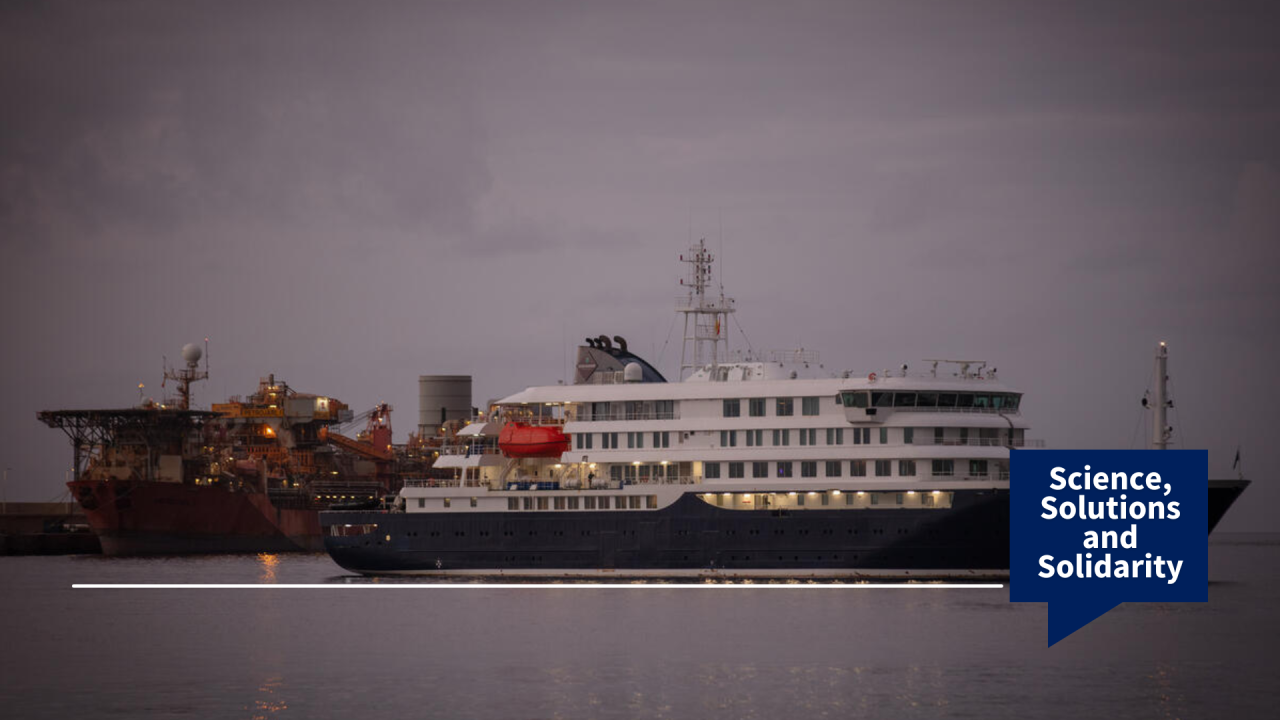
The World Health Organization has taken swift action against a recent hantavirus outbreak linked to the MV Hondius cruise ship, confirming eight cases including three deaths as of May 8, 2026. This response focuses on containment and support amid the first documented human-to-human transmission of Andes virus outside South America.

Outbreak Background Explained
The incident began on a cruise from Ushuaia, Argentina, to Cape Verde, with illness onset between April 6 and 28. Six cases tested positive for Andes virus, a strain known for rare person-to-person spread via close contact, unlike typical rodent transmission.
Affected passengers included a 69-year-old Dutch woman and others now hospitalized or evacuated. This marks a shift from usual patterns, where rodents’ urine, droppings, or saliva pose the main risk.
Global health teams note the overall public health risk remains low, as the virus does not spread easily like respiratory pathogens.
WHO’s Immediate Response Steps
WHO confirmed cases rapidly through PCR and serology testing after notification on May 2. The agency coordinates with countries like the Netherlands, South Africa, Spain, Cabo Verde, and the UK to share passenger lists and trace contacts.
Maria van Kerkhove, WHO Acting Director for Epidemic and Pandemic Management, said passengers and crew would undergo active health monitoring for up to six weeks because of the virus’s incubation period.
Director-General Tedros Adhanom Ghebreyesus leads efforts, including virus sequencing and epidemiological probes. Epidemiologist Maria van Kerkhove emphasized supportive care like oxygen therapy, as no specific antiviral exists.
Evacuations of ill patients to specialized facilities in the Netherlands and South Africa followed, with physical distancing enforced onboard.

Key Prevention Measures Issued
WHO stresses rodent control to curb future risks:
-
Seal building gaps to block rodent entry.
-
Store food in secure containers.
-
Dampen droppings before cleaning; avoid sweeping or vacuuming.
-
Practice hand hygiene rigorously.
In healthcare, standard precautions plus airborne measures for procedures protect staff. These steps align with One Health strategies linking human, animal, and environmental health.
Global Coordination and Risk Assessment
The organization facilitates specimen analysis at labs like South Africa’s NICD and Senegal’s Institut Pasteur de Dakar. It activated emergency medical teams and advised EU coordination centers.
Despite three fatalities among 147 onboard, WHO assesses global risk as low, monitoring for imported cases. Bodies like the CDC echo this, issuing alerts but deeming U.S. spread unlikely.
The 17 Americans who were evacuated from the cruise ship hit by a hantavirus outbreak are back in the U.S.
They are now being monitored at the National Quarantine Unit in Nebraska. https://t.co/PIEjIHsRhS pic.twitter.com/wRaU0dmgPT
— CBS Mornings (@CBSMornings) May 11, 2026
This coordinated push demonstrates effective outbreak management, drawing from past experiences with rare pathogens.
Also Read | Hantavirus: Two Symptomless Cruise Passengers Test Positive After Global Evacuations

