



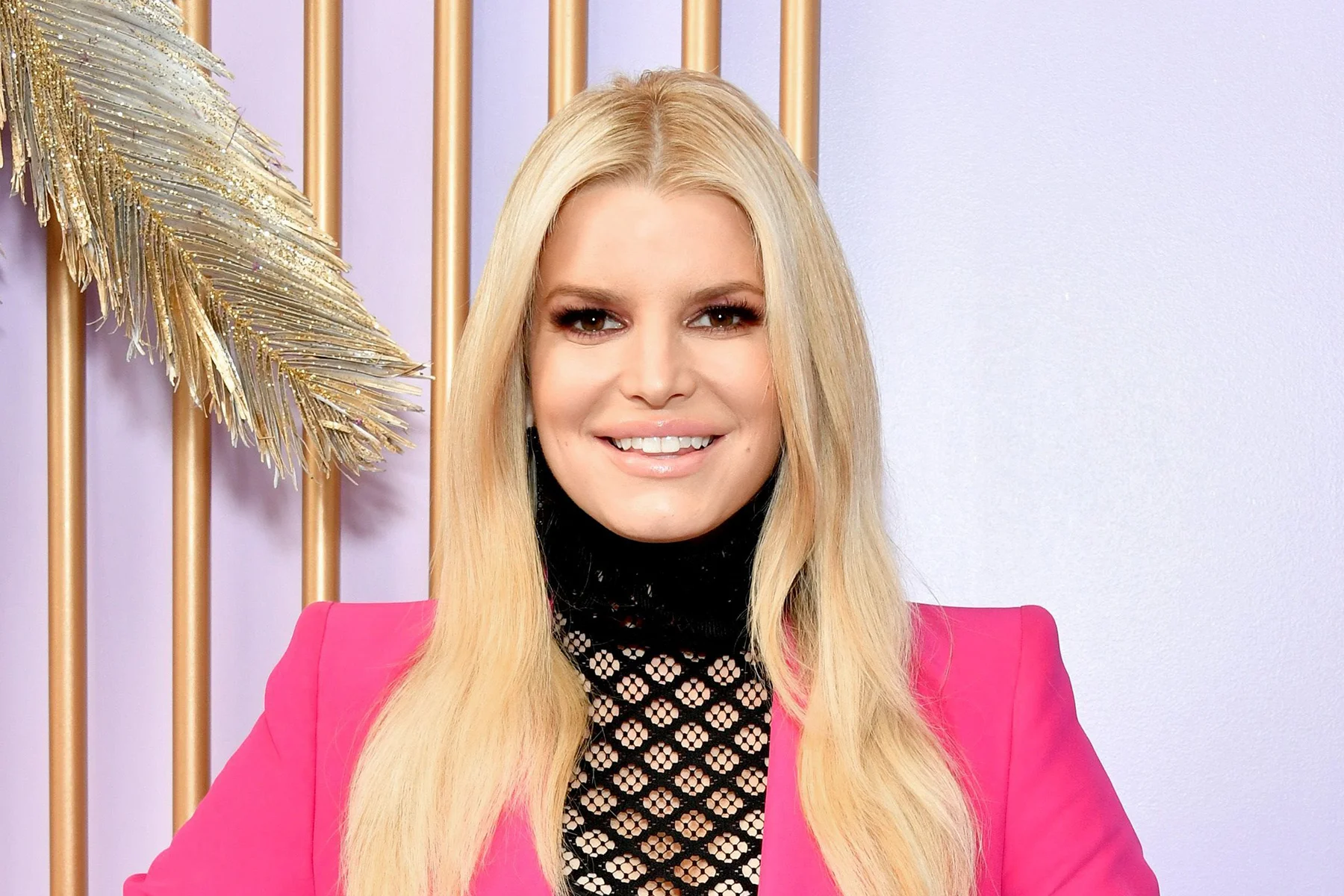
Jessica Simpson was famous before most people knew anything real about her. She was a pop star at 19, a reality television personality by 23, and the subject of tabloid commentary about her body, her intelligence, and her relationships for the better part of two decades.
In February 2020, she published Open Book, a 416-page memoir released by Dey Street Books, an imprint of HarperCollins. The book was co-written with Kevin Carr O’Leary and covered territory that most celebrity memoirs avoid entirely: childhood sexual abuse, alcohol and pill dependency, the collapse of two public relationships, the pressure of fame on a person’s sense of self, and the slow, unglamorous work of rebuilding a life.
Open Book debuted at No. 1 on both the New York Times and Publishers Weekly bestseller lists, selling 59,360 copies in its first week. On Goodreads, it holds a 4.09 average rating from over 117,000 reviews, with 78% of readers giving it four or five stars. Kirkus Reviews gave it a “Get It” recommendation and named it one of the Best Music Books of 2020. Rolling Stone included it on its own Best Music Books of 2020 list.
Those numbers and that critical reception suggest that Open Book connected with readers on a level that goes beyond celebrity curiosity. This article looks at what the memoir covers, what it reveals about identity, addiction, and reinvention, and why its lessons extend well beyond one person’s story.

What the Memoir Covers
Open Book spans Jessica Simpson’s life from childhood through her late thirties. The major threads include the following.
A Preacher’s Daughter in the Spotlight
Simpson was born on July 10, 1980, in Abilene, Texas, and raised in a strict evangelical household. Her father, Joe Simpson, was a Baptist minister. The family moved frequently during her childhood, relocating 18 times before she finished fifth grade, according to the Kirkus review.
She sang in church choirs as a child and auditioned for The Mickey Mouse Club at 12 but was not selected. She signed with Columbia Records at 17 and released her debut album, Sweet Kisses, in 1999. The lead single, “I Wanna Love You Forever,” reached No. 3 on the Billboard Hot 100, and the album sold over two million copies in the United States.
By 19, Simpson was a major pop star. By 23, she was the co-star of Newlyweds: Nick and Jessica, the MTV reality show that documented her marriage to 98 Degrees singer Nick Lachey. The show ran for three seasons from 2003 to 2005 and made Simpson one of the most talked-about women in America.
Childhood Sexual Abuse
One of the most significant revelations in Open Book is Simpson’s account of being sexually abused as a child. She writes that the abuse began when she was six years old, while she shared a bed with the daughter of a family friend. She describes the abuse as starting with back-tickling and progressing to acts that made her “extremely uncomfortable.”
Simpson writes that she felt frozen with fear and worried the abuse was somehow her fault. She told her parents when she was 12. In the book, she recounts that her mother said she had been suspicious. The family stopped visiting those friends, but the abuse was never directly discussed again until Simpson confronted it in therapy as an adult.
CBS News reported that Simpson said she suppressed this pain as her fame grew, and that it contributed to patterns of anxiety and self-medication that followed her into adulthood.
Marriage, Divorce, and Public Relationships
The memoir covers Simpson’s marriage to Nick Lachey in detail. They met at a 1998 Christmas party, announced their engagement in 2002, and married in Austin, Texas, in October of that year. Their separation was announced in November 2005, and the divorce was finalized in June 2006.
Simpson also writes about her relationship with singer John Mayer, which became a recurring subject in Goodreads reviews. Multiple readers noted the emotional intensity of those sections and the way Simpson describes feeling both drawn to and diminished by the relationship.
Alcohol, Pills, and the Decision to Get Sober
The sections on addiction are among the most candid in the book. Simpson describes her dependence on alcohol and prescription medications, including sleep aids she first took as a child and wine and Ambien as an adult.
In a CBS News interview tied to the book’s release, Simpson said: “I was killing myself with all the drinking and pills.” She describes alcohol as something that allowed her to “stay numb and complacent.”
Her rock-bottom moment came on Halloween 2017. She describes being unable to dress her children in their costumes because she was too impaired. That night, with the help of friends and her husband, former NFL tight end Eric Johnson, she decided to stop drinking.
She got sober in November 2017 and began attending therapy twice a week. She describes giving up alcohol as the easier part and therapy as the hard part, because it required her to confront the underlying pain she had been medicating.
Body Image and Industry Pressure
Throughout her career, Simpson was subjected to intense public scrutiny over her weight and appearance. The memoir addresses this directly, describing pressure from music industry executives, tabloid coverage that focused on her body rather than her work, and the effect this had on her self-image.
Kirkus noted that the book offers insight into “why she was drawn to an audience’s validation” and how that need for approval shaped many of her personal and professional decisions.
The Billion-Dollar Business Behind the Headlines
While Open Book focuses primarily on personal struggles and recovery, it also documents a business achievement that is often overshadowed by tabloid narratives about Simpson’s personal life.
Building the Jessica Simpson Collection
In 2005, Simpson launched The Jessica Simpson Collection, a fashion and lifestyle brand sold at major retailers including Macy’s, Dillard’s, and Lord and Taylor. The brand expanded to cover 34 product categories, including shoes, handbags, clothing, accessories, fragrances, and home goods.
By 2014, the brand was reported to generate $1 billion in annual retail sales, according to Fox Business. Over its lifetime, the collection has earned more than $1 billion in total revenue, making it one of the most commercially successful celebrity fashion brands in history.
Losing Control
In 2015, licensing company Sequential Brands Group acquired a majority stake in the Jessica Simpson Collection. The move gave Simpson financial security at the time but placed the future of the brand she had built in someone else’s hands.
When Sequential Brands Group filed for bankruptcy, Simpson faced the possibility of losing her name brand entirely.
Buying It Back
As CNBC reported in 2022, Simpson bid $65 million to reacquire Sequential’s ownership stake during the bankruptcy proceedings. A bankruptcy judge approved the bid. The purchase was financed largely by the Simpson family and two additional lenders.
Simpson told CNBC she “drained everything to buy it back.” The financial risk was substantial, but it restored full ownership of the brand to Simpson and her family.
The relaunched brand expanded into health and wellness products, men’s and boys’ clothing, and home goods, reflecting Simpson’s broader lifestyle interests.
What the Business Story Reveals
The trajectory of the Jessica Simpson Collection, built from scratch, grown to $1 billion in annual sales, lost through a licensing deal, and then reclaimed through a $65 million buyback, is a business story that would be noteworthy regardless of who was behind it.
It demonstrates a pattern that appears throughout Open Book: Simpson building something of value, losing control of it (sometimes through her own choices, sometimes through circumstances), and then doing the difficult work of getting it back.

Lessons the Memoir Offers
Open Book is not a self-help book, and Simpson does not present herself as someone with all the answers. But several themes in the memoir carry lessons that apply beyond her specific circumstances.
Identity Is Not Fixed by Fame
One of the book’s central themes is the difference between public identity and personal identity. Simpson became famous as a teenager and spent most of her twenties living a version of herself that was shaped by record labels, television producers, tabloid editors, and public expectations.
The memoir traces her gradual realization that the person the public knew was not the person she actually was. Sobriety, therapy, and the process of writing the book itself all contributed to her developing a sense of self that was not dependent on external validation.
For anyone who has felt pressure to perform a version of themselves for work, social media, or family expectations, this thread of the book is relatable regardless of whether the reader has ever been famous.
Recovery Is Not a Single Decision
Simpson’s account of getting sober is honest about the fact that deciding to stop drinking was only the beginning. The real work, she writes, was in therapy: confronting childhood trauma, examining patterns of self-medication, and learning to sit with discomfort rather than numbing it.
This is consistent with what addiction specialists describe as the difference between abstinence and recovery. Stopping the substance is a necessary first step, but sustained recovery requires addressing the underlying causes of the dependency.
Starting Over Requires Financial and Emotional Cost
The decision to buy back her fashion brand at a cost of $65 million, after having already achieved financial success and then watching it slip away, illustrates that starting over is not free. It requires resources, risk tolerance, and a willingness to rebuild from a position that feels like a step backward.
This applies to anyone who has had to restart a career, a business, or a personal life after a setback. The cost of starting over is real, and the memoir does not minimize it.
Honesty Has Professional Value
Simpson was originally approached to write a motivational book. She declined, telling CBS News that she was not comfortable presenting herself in a way that was not honest. The resulting memoir, which includes material that could easily have been left out, became a No. 1 bestseller.
The commercial success of Open Book suggests that audiences respond to honesty more than they respond to polished self-promotion. Simpson’s willingness to discuss addiction, abuse, and professional failures gave the book a credibility that a more curated version of her story would have lacked.
What Readers and Critics Say
Goodreads Reception
Open Book holds a 4.09 average rating on Goodreads from more than 117,000 ratings. The breakdown is strongly positive:
| Rating | Percentage | Count |
|---|---|---|
| 5 stars | 35% | 41,140 |
| 4 stars | 43% | 50,835 |
| 3 stars | 17% | 20,701 |
| 2 stars | 3% | 3,565 |
| 1 star | Less than 1% | 952 |
More than three out of four readers gave it four or five stars, and the book was nominated for the Goodreads Choice Award for Readers’ Favorite Memoir and Autobiography in 2020.
What Reviewers Praised
Multiple Goodreads reviewers described the memoir as “one of the best celebrity memoirs” they had read. One five-star reviewer called it “Honest and endearing. Painful and powerful. Heartbreaking and hopeful.” Another wrote that it was “easily one of the best memoirs I’ve read, or had read to me,” referring to the audiobook, which Simpson narrates herself and which includes six original songs.
Kirkus called the book “readable” and praised Simpson’s analysis of her attraction to external validation and harmful relationships. The review noted that it offers “plenty of personal and professional moments for fans to savor.”
Common Criticisms
The most frequent criticisms on Goodreads include:
- Length. At 416 pages, some reviewers felt the book was longer than it needed to be. Kirkus also described it as “readable but overlong.”
- Self-congratulation. A minority of reviewers felt that certain sections read as overly self-congratulatory, particularly those describing business achievements.
- Treatment of relationships. Some readers felt the sections on John Mayer were given disproportionate space, while others wanted more detail about her marriage to Nick Lachey.
These are common criticisms for celebrity memoirs and do not appear to have significantly affected the book’s overall reception.
Jessica Simpson’s Career Since Open Book
The memoir was not an endpoint. Simpson has remained active in both business and music since its publication.
Music Return
Open Book included six new songs, marking Simpson’s first music release since 2010. In February 2025, she released the single “Use My Heart Against Me.” Her debut EP, Nashville Canyon, Part 1, came out in March 2025, followed by Part 2 in September 2025. She also embarked on the Nashville Canyon tour.
In 2025, Simpson appeared in the American Idol Grand Finale and took a role in the television series All’s Fair, signaling a return to both music and entertainment.
Brand Rebuilding
After reacquiring the Jessica Simpson Collection, she has continued expanding the brand into new product categories. The business remains a significant part of her professional identity and a tangible demonstration of the themes of reclamation and reinvention that run through the memoir.
Personal Life
Simpson married Eric Johnson in July 2014 in Montecito, California. They have three children. In January 2025, Simpson announced that she and Johnson had separated.
Frequently Asked Questions
1. What is Jessica Simpson’s Open Book about?
Open Book is Jessica Simpson’s memoir, published in February 2020 by Dey Street Books (HarperCollins). It covers her childhood as a preacher’s daughter in Texas, her rise to pop stardom at 19, her MTV reality show with Nick Lachey, childhood sexual abuse by a family friend, her dependency on alcohol and prescription medications, her decision to get sober in November 2017, the building and rebuilding of her billion-dollar fashion brand, and the ongoing work of developing an identity separate from public expectations.
2. Did Open Book become a bestseller?
Yes. Open Book debuted at No. 1 on both the New York Times and Publishers Weekly bestseller lists, selling 59,360 copies in its first week. It was nominated for the 2020 Goodreads Choice Award for Readers’ Favorite Memoir and Autobiography, and it was named one of the Best Music Books of 2020 by both Kirkus Reviews and Rolling Stone. On Goodreads, it holds a 4.09 average rating from over 117,000 reviews.
3. When did Jessica Simpson get sober?
Simpson got sober in November 2017. In Open Book, she describes a rock-bottom moment on Halloween 2017 when she was unable to dress her children in their costumes because she was too impaired. With the support of friends and her husband, Eric Johnson, she decided to stop drinking that night. She began attending therapy twice a week and has described therapy, rather than abstinence, as the harder part of recovery.
4. How much is the Jessica Simpson fashion brand worth?
The Jessica Simpson Collection was reported to generate $1 billion in annual retail sales by 2014, according to Fox Business. After licensing company Sequential Brands Group acquired a majority stake in 2015 and later filed for bankruptcy, Simpson bid $65 million to buy back the ownership stake. The purchase was approved by a bankruptcy judge, and Simpson regained full control of the brand. The relaunched collection has expanded into health and wellness, men’s clothing, and home goods.
5. Is the Open Book audiobook worth listening to?
Multiple Goodreads reviewers specifically recommended the audiobook edition, which Jessica Simpson narrates herself. Reviewers praised her delivery and noted that hearing her voice adds emotional weight to the more difficult sections of the book. The audiobook also includes six original songs, making it a unique listening experience that the print edition does not replicate. One reviewer described it as “easily one of the best memoirs I’ve read, or had read to me.”
Key Takeaways
- Jessica Simpson’s Open Book debuted at No. 1 on the New York Times and Publishers Weekly bestseller lists in February 2020, selling 59,360 copies in its first week. It holds a 4.09 Goodreads rating from over 117,000 reviews, with 78% of readers giving it four or five stars.
- The memoir covers childhood sexual abuse, alcohol and pill dependency, the pressure of fame on personal identity, her marriages and public relationships, and the building and loss of a billion-dollar fashion brand.
- Simpson got sober in November 2017 after a rock-bottom moment and began twice-weekly therapy. She describes recovery as requiring more than abstinence, emphasizing the work of addressing underlying trauma.
- The Jessica Simpson Collection generated $1 billion in annual retail sales by 2014. After losing control through a licensing deal and a bankruptcy, Simpson bid $65 million to buy it back and regained full ownership.
- Since the memoir, Simpson has returned to music with the Nashville Canyon EPs in 2025, appeared on American Idol, and continued expanding her fashion brand into new categories.
- Kirkus Reviews and Rolling Stone both named Open Book one of the Best Music Books of 2020. The audiobook, narrated by Simpson and featuring six original songs, was especially praised by reviewers.
Conclusion
Jessica Simpson spent most of her public life being defined by other people: record executives who shaped her image, tabloid editors who focused on her body, television producers who turned her marriage into entertainment, and an audience that formed opinions based on carefully edited clips rather than the full picture.
Open Book is her attempt to define herself on her own terms. It is not a perfect book. At 416 pages, it is longer than it needs to be, and some sections are stronger than others. But it is a genuinely honest one, and that honesty is what separates it from most celebrity memoirs.
The numbers confirm the response: a No. 1 debut, over 117,000 Goodreads ratings, and critical recognition from Kirkus and Rolling Stone. But the more lasting value of the book is in what it demonstrates about identity, recovery, and reinvention. Simpson lost control of her public image, her health, and her business. She got all three back, and the process of doing so is documented with more candor than most public figures are willing to offer.
Whether you are interested in Simpson as a cultural figure, as a businesswoman who built and reclaimed a billion-dollar brand, or as someone whose story of addiction and recovery carries lessons about confronting difficult truths, Open Book delivers more substance than its celebrity packaging might suggest.
Also Read | Thomas Markle’s Family Scandal: Ex-Wife, Wayward Son, and Royal Fallout

