



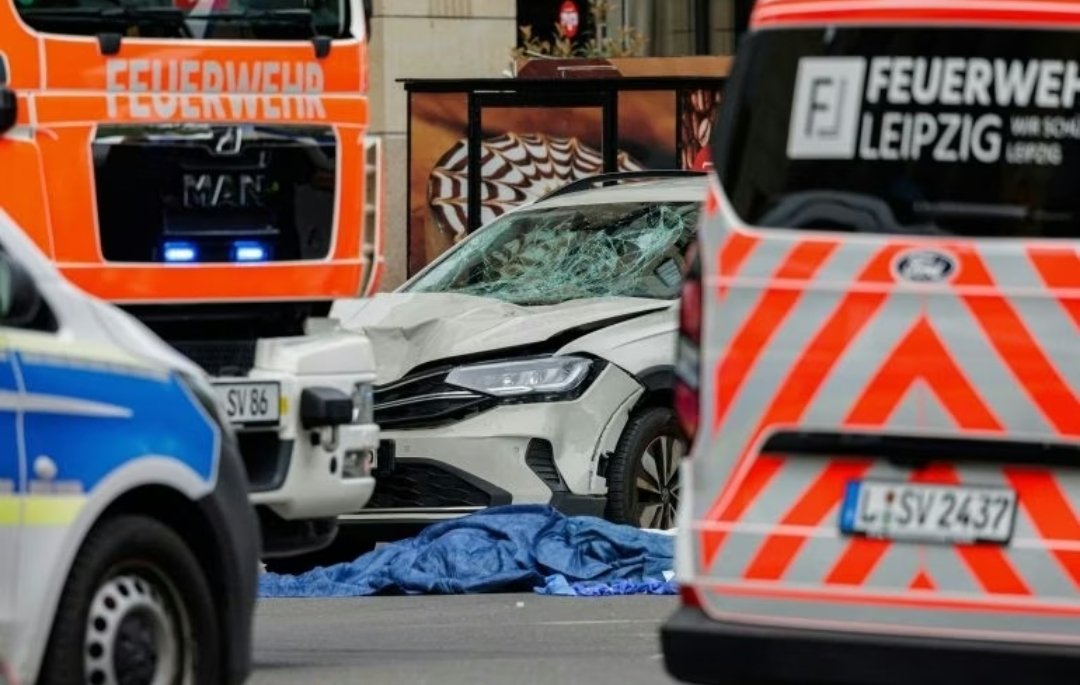
As Leipzig mourns a devastating tragedy that left two dead and more than 20 injured after a car plowed into a bustling shopping area, the recurring nature of these incidents is forcing a hard conversation about urban security architecture in Germany.
According to reports from iShareNews, authorities quickly apprehended the 33-year-old driver at the scene, yet the lack of an immediate motive has left the community grappling with the unsettling uncertainty that defines modern public safety.

While investigators examine the suspect for potential links to underlying psychological instability, the sheer vulnerability of pedestrian zones in mid-sized cities is emerging as a critical point of concern for policymakers.
Beyond the immediate grief, this event highlights the immense pressure mounting on city planners to rethink the openness of traditional European town centers. For years, the German ethos of urban design has prioritized pedestrian accessibility, fostering vibrant commerce and social cohesion in city cores.
However, this philosophy is now clashing with the grim reality that these same spaces, lacking hardened perimeters or vehicle barriers, can be transformed into scenes of chaos in seconds.
Observers are already noting that the long-term impact on local retail and tourism could be significant, as public confidence in the safety of these high-traffic environments hangs in the balance.
The political and economic implications are beginning to ripple through Saxony, with interior officials already under fire to explain why current security measures failed to prevent such a catastrophic breach.
Business associations are likely to advocate for immediate state-funded upgrades to physical infrastructure, fearing that a protracted period of anxiety will diminish foot traffic and erode economic vitality.
🚨 #BREAKING : Car ramming attack in central Leipzig, #Germany . A driver deliberately plowed a white SUV into pedestrians on May 4, killing 2 and injuring at least 20. A 33-year-old German man was arrested at the scene. Authorities are investigating as an “amok act.”
Tragic… pic.twitter.com/uZ5ecSGVAQ
— Thepagetoday (@thepagetody) May 4, 2026
As the investigation moves forward, the focus will inevitably shift from the individual actions of the suspect to the systemic vulnerabilities of the infrastructure itself.
For the people of Leipzig, the path toward recovery will require both emotional healing and a fundamental shift in how the city secures its most precious social spaces against an unpredictable, often invisible, threat.
Also Read | Trump Confirms Iran Ship Attacks Amid UAE Drone Barrage Crisis

