



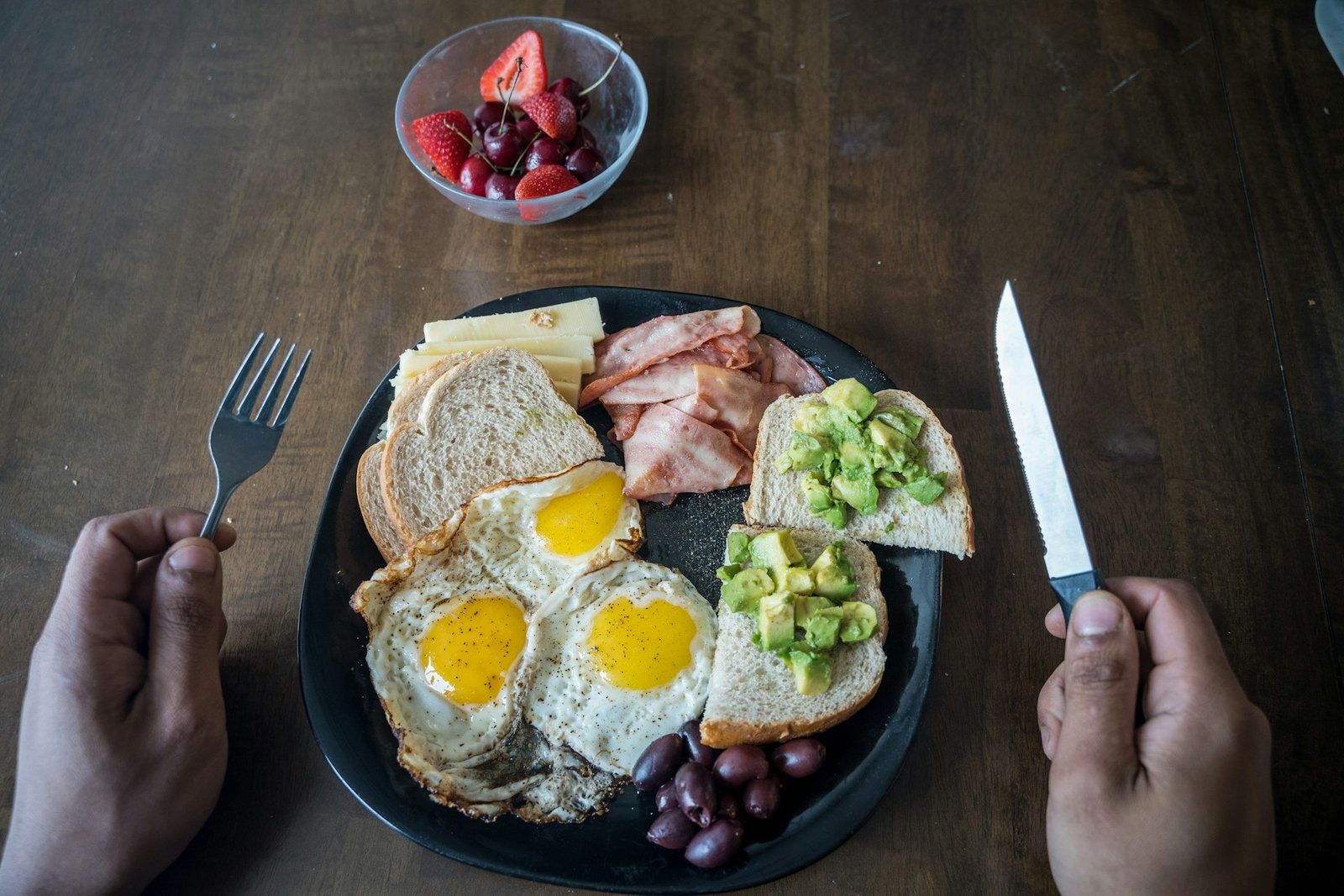
Colorectal cancer is one of the most diet-influenced cancers in the body, and the research quantifying that influence is remarkably specific. A 2025 meta-analysis of 60 prospective studies found that high processed meat consumption raises colorectal cancer risk by 21%, while a 2025 study of over 542,000 women found that an additional 300 milligrams of calcium per day lowers it by 17%. The American Institute for Cancer Research estimates that 47% of U.S. colorectal cancers could be prevented through changes in diet, weight, and physical activity. This article breaks down the evidence on every major dietary factor linked to colon cancer risk, from the foods that raise it to the foods that reduce it, with exact figures from the clinical data.

Your Colon Is in Constant Contact With What You Eat
Most cancers develop in organs that are somewhat shielded from the outside environment. The colon is different. It is in direct, sustained contact with the food you eat, the metabolites produced during digestion, and the trillions of microorganisms that live in the gut and interact with both.
“Colorectal cancer is uniquely influenced by diet because the digestive tract is in constant, direct contact with the foods we eat and the metabolites produced during digestion,” said Lindsay Crowder, a registered dietitian at Moffitt Cancer Center. “The colon is also home to trillions of microbes that interact with dietary components, shaping inflammation, immune responses and the production of potentially harmful or protective compounds” (Moffitt Cancer Center, 2026).
This sustained contact means that dietary choices accumulate in the colon over years and decades. What you eat today does not cause cancer tomorrow. But what you eat repeatedly, across thousands of meals, shapes the biochemical environment your colon cells live in, for better or worse.
In 2026, an estimated 158,850 new cases of colorectal cancer will be diagnosed in the United States, and 55,230 people will die from the disease (ACS, 2026). Among people under 50, it is now the leading cause of cancer death. Diet is one of the few modifiable risk factors that has been quantified with precision.
Also Read | Late Cervical Cancer Diagnosis: How 21 GP Visits Cost a Woman Precious Time
Foods That Increase Colon Cancer Risk
Processed Meat: The Strongest Dietary Risk Factor
The evidence here is not ambiguous. In 2015, the International Agency for Research on Cancer (IARC), part of the World Health Organization, classified processed meat as a Group 1 carcinogen, meaning there is sufficient evidence that it causes cancer in humans. This puts processed meat in the same category as tobacco smoking and asbestos in terms of the strength of evidence, though not in terms of the magnitude of risk.
Processed meat includes any meat that has been preserved by smoking, curing, salting, or adding chemical preservatives. This covers bacon, sausage, hot dogs, deli meats (ham, turkey, salami), jerky, and canned meats.
The numbers are specific:
- 50 grams of processed meat per day (about two slices of deli ham or two strips of bacon) increases colorectal cancer risk by 18% (IARC/WHO, 2015; PCRM, 2026).
- A 2025 meta-analysis of 60 prospective studies published in GeroScience found that high processed meat intake was associated with a 21% increased risk of colorectal cancer (HR 1.21, 95% CI 1.14 to 1.28) (Ungvari et al., 2025).
The mechanisms are well established. When processed meat is preserved, N-nitroso compounds (NOCs) are formed, and additional NOCs form in the gut during digestion. High-temperature cooking produces heterocyclic amines (HCAs) and polycyclic aromatic hydrocarbons (PAHs), both of which damage DNA. The heme iron in red and processed meat promotes oxidative stress and further NOC formation in the colon.
A 2026 poll conducted by the Physicians Committee for Responsible Medicine found that nearly half of U.S. adults (45%) were unaware that processed meat increases colorectal cancer risk (PCRM, 2026). Only one-third recalled hearing about the connection from a healthcare provider.
Red Meat: Probable Carcinogen, Dose-Dependent Risk
The IARC classified red meat as a Group 2A carcinogen (probably carcinogenic to humans). Red meat includes beef, pork, lamb, veal, and goat.
- 100 grams of red meat per day (a steak about the size of a deck of cards) increases colorectal cancer risk by approximately 12 to 17% depending on the analysis (PCRM, 2026; Ungvari et al., 2025).
- The 2025 GeroScience meta-analysis found that the highest red meat consumers had a 22% higher risk of colon cancer compared to the lowest consumers (HR 1.22, 95% CI 1.15 to 1.30) (Ungvari et al., 2025).
- A 2025 NIH-AARP Diet and Health Study analysis found that replacing 50 grams of white meat with red meat was associated with a 21% higher colorectal cancer incidence, with the strongest associations in the distal colon and rectum (ScienceDirect, 2025).
The risk is dose-dependent. The World Cancer Research Fund recommends limiting red meat consumption to no more than about three portions per week (roughly 350 to 500 grams total cooked weight) and eating very little, if any, processed meat.
Alcohol
Alcohol is one of the strongest dietary risk factors for colorectal cancer after processed meat.
- The 2025 Nature Communications study of 542,778 women found that alcohol had the strongest positive association with colorectal cancer risk among all 97 dietary factors analyzed: a 15% increase in risk per 20 grams per day (approximately two standard drinks) (Papier et al., 2025).
- The World Cancer Research Fund classifies the evidence linking alcohol to colorectal cancer as “convincing.”
Alcohol increases risk through several pathways: it is metabolized into acetaldehyde (a known carcinogen), it increases oxidative stress, it depletes folate (a vitamin protective against colon cancer), and it may alter the gut microbiome.
Sugar-Sweetened Beverages and Ultra-Processed Foods
The evidence on sugar-sweetened beverages and highly processed foods is less definitive than for processed meat and alcohol, but it is growing. High-sugar diets promote insulin resistance and obesity, both independent risk factors for colorectal cancer. Ultra-processed foods tend to be high in additives, preservatives, and refined ingredients and low in fiber, creating a dietary pattern associated with increased CRC risk in observational studies.
The IARC World Cancer Report (2020) and the 2025 USDA Dietary Guidelines Advisory Committee both identified dietary patterns high in sugar-sweetened beverages, refined grains, and desserts as associated with higher CRC risk.
Also Read | Teddi Mellencamp Keeps Filming Her Hardest Day of the Month – Here’s What Immunotherapy Is Actually Doing
Foods That Lower Colon Cancer Risk
Calcium and Dairy: The Strongest Protective Evidence
Among all protective dietary factors, calcium has the most consistent and robust evidence for lowering colorectal cancer risk.
- The 2025 Nature Communications study (542,778 participants, 12,251 CRC cases, 16.6 years of follow-up) found that every additional 300 milligrams of calcium per day was associated with a 17% lower risk of colorectal cancer (Papier et al., 2025). Three hundred milligrams of calcium is the amount in approximately one cup (240 ml) of milk.
- The same study found a 14% lower risk per 200 grams per day of milk consumption.
- A Mendelian randomization analysis (which uses genetic data to approximate causal relationships) found that genetically predicted higher milk consumption was associated with up to a 40% reduction in colorectal and colon cancer risk (Papier et al., 2025).
- Globally, low calcium intake is the single largest dietary contributor to colorectal cancer disability-adjusted life years (DALYs), accounting for 20.5% of the global CRC burden (WCRF CUP Global, 2025).
The mechanism: calcium binds to bile acids and free fatty acids in the colon, neutralizing their tumor-promoting effects. It also activates calcium-sensing receptors on colon cells, which can inhibit abnormal cell growth and support normal cell turnover.
The protective effect applies to calcium from both dairy and non-dairy sources (fortified plant milks, leafy greens, tofu), though dairy provides additional compounds like conjugated linoleic acid and butyric acid that may add further protection.
Fiber and Whole Grains
Fiber is the second most studied protective factor.
- Every 10 grams of fiber per day reduces colorectal cancer risk by up to 10% (PCRM, 2026; AICR, n.d.).
- The WCRF found strong evidence that consuming approximately 90 grams (about three servings) of whole grains daily reduces colorectal cancer risk by 17% (AICR, 2017).
- A study cited by the Physicians Committee found that people with the highest fiber intake had a 72% lower risk of developing colon polyps (the precancerous growths that can become tumors) compared to those with the lowest intake (PCRM, 2026).
Fiber protects the colon through multiple pathways. It speeds up transit time (reducing the time carcinogens are in contact with the colon lining), dilutes fecal carcinogens by adding bulk, binds to bile acids, and is fermented by gut bacteria into short-chain fatty acids, especially butyrate, which is the primary fuel source for colon cells and has anti-inflammatory and anti-tumor properties.
Ten grams of fiber can be obtained from approximately one cup of raspberries, two tablespoons of chia seeds, or two-thirds of a cup of black beans.
Fruits and Vegetables
Observational evidence consistently links higher fruit and vegetable intake with lower CRC risk. The 2025 Nature Communications study found modest inverse associations with fruit intake. The protective effect is likely related to fiber content, antioxidants (vitamin C, folate, carotenoids), and phytochemicals that reduce inflammation and oxidative damage.
Cruciferous vegetables (broccoli, cauliflower, Brussels sprouts, kale, cabbage) have been studied specifically because they contain glucosinolates, which break down into compounds (sulforaphane, indole-3-carbinol) that may inhibit cancer cell growth and promote detoxification enzymes.
Fish
Fish consumption, particularly fatty fish rich in omega-3 fatty acids, shows a mild inverse association with colorectal cancer risk. A 2022 systematic review in Nutrients found a consistent, modest protective effect from total fish consumption (Alegria-Lertxundi et al., 2022). The effect is likely mediated by the anti-inflammatory properties of omega-3 fatty acids (EPA and DHA).
Legumes
Legumes (beans, lentils, chickpeas) are high in fiber, resistant starch, and folate, all of which have independent associations with reduced CRC risk. The resistant starch in legumes is fermented by gut bacteria into butyrate. A 2026 analysis found that an additional serving of legumes per week was associated with a 13% lower colorectal cancer risk (The Hearty Soul, 2026).
The Full Picture: Foods That Raise vs. Lower Risk
| Dietary Factor | Effect on CRC Risk | Strength of Evidence | Key Numbers |
|---|---|---|---|
| Processed meat | Increases risk | Convincing (IARC Group 1) | +18% per 50g/day; +21% for highest vs. lowest intake |
| Red meat | Increases risk | Probable (IARC Group 2A) | +22% for highest vs. lowest intake (colon cancer) |
| Alcohol | Increases risk | Convincing | +15% per 20g/day (roughly two drinks) |
| Sugar-sweetened beverages | Increases risk | Limited but growing | Associated with obesity and insulin resistance |
| Calcium (from dairy or other sources) | Decreases risk | Strong | -17% per 300mg/day; Mendelian analysis: up to -40% |
| Fiber | Decreases risk | Strong | -10% per 10g/day; -72% for colon polyps (highest vs. lowest intake) |
| Whole grains | Decreases risk | Strong | -17% per 90g/day (three servings) |
| Dairy (milk, yogurt) | Decreases risk | Strong | -14% per 200g/day of milk |
| Fish | Decreases risk | Probable | Mild inverse association |
| Legumes | Decreases risk | Probable | -13% per additional serving/week |
| Fruits and vegetables | Decreases risk | Probable | Modest inverse association |
What Your Gut Bacteria Have to Do With It
The gut microbiome plays a central role in how diet translates into cancer risk.
When you eat fiber and resistant starch, gut bacteria ferment these compounds into short-chain fatty acids, especially butyrate. Butyrate is the primary energy source for colonocytes (colon lining cells) and has been shown to reduce inflammation, support the integrity of the gut barrier, and promote normal cell death in damaged cells, all of which protect against tumor formation.
When you eat red and processed meat, different bacterial processes occur. Gut bacteria can convert heme iron and dietary nitrates into N-nitroso compounds, and bile acids secreted to digest fat can be converted by bacteria into secondary bile acids that are directly toxic to colon cells.
The microbiome acts as a translator between your diet and your colon’s health. What you feed it determines what it produces.
Also Read | Thyroid Problems in Women Over 50: Signs You Should Not Ignore
How Much of Colon Cancer Is Preventable Through Diet?
The American Institute for Cancer Research (AICR) estimates that 47% of U.S. colorectal cancer cases could be prevented through changes in diet, physical activity, and body weight (AICR, 2017). That figure makes colorectal cancer one of the most preventable major cancers.
The WCRF/AICR Third Expert Report, which analyzed 99 studies and data from 29 million people, concluded that “diet and lifestyle have a major role in colorectal cancer” (AICR, 2017).
This does not mean that diet alone determines whether you get colon cancer. Genetics, family history, inflammatory bowel disease, and other non-modifiable factors also play significant roles. But for a cancer that kills over 55,000 Americans per year, the fact that nearly half of cases are potentially avoidable through dietary and lifestyle changes is a powerful finding.
A Practical Summary: What to Eat and What to Limit
Eat More
- Calcium-rich foods: milk, yogurt, cheese, calcium-fortified plant milks, tofu, leafy greens. Aim for at least 1,000 mg of calcium per day (the RDA for most adults).
- High-fiber foods: beans, lentils, raspberries, whole wheat bread, oats, chia seeds, broccoli. Aim for at least 25 to 30 grams of fiber per day.
- Whole grains: brown rice, quinoa, oats, barley, whole wheat. Three servings per day is the target associated with a 17% risk reduction.
- Fruits and vegetables: particularly cruciferous vegetables (broccoli, cauliflower, kale, cabbage) and folate-rich foods (spinach, asparagus, lentils).
- Fish: particularly fatty fish (salmon, mackerel, sardines) two to three times per week.
- Legumes: beans, lentils, chickpeas. Even one additional serving per week is associated with reduced risk.
Eat Less
- Processed meat: limit as much as possible. The WCRF recommends eating “very little, if any.” If you currently eat processed meat daily, reducing to occasional consumption is a meaningful step.
- Red meat: limit to no more than three moderate portions per week (roughly 350 to 500 grams total cooked weight).
- Alcohol: limit to no more than two standard drinks per day for men and one for women, or avoid entirely. Risk increases linearly with intake.
- Sugar-sweetened beverages: replace with water, unsweetened tea, or milk.
- Ultra-processed foods: reduce intake of products with long ingredient lists dominated by additives, preservatives, and refined ingredients.
Myths vs. Facts About Diet and Colon Cancer
| Myth | Fact |
|---|---|
| Only red meat matters. Processed meat is fine in small amounts. | Processed meat has the stronger evidence and is classified as a Group 1 carcinogen. Even small daily amounts (50g) increase risk by 18%. |
| A high-fiber diet alone is enough to prevent colon cancer. | Fiber is protective, but it is one factor among many. Overall dietary pattern, including calcium, alcohol intake, body weight, and physical activity, all contribute to risk. |
| Organic or “nitrate-free” processed meat is safe. | Processed meats labeled “no nitrates added” often contain celery powder, which converts to nitrates during processing. The carcinogenic mechanisms remain similar. |
| Supplements can replace food for colon cancer prevention. | While calcium supplements show some protective evidence, the strongest data comes from dietary calcium, fiber from whole foods, and overall eating patterns rather than isolated supplements. |
| You either get colon cancer or you do not. Diet cannot change that. | The AICR estimates that 47% of U.S. colorectal cancer cases are preventable through diet, weight, and lifestyle changes. Diet is one of the strongest modifiable risk factors. |
Also Read | Stressed Out? How to Recharge, Refresh and Refocus for Peak Performance
Frequently Asked Questions
Does processed meat really cause colon cancer?
The WHO’s International Agency for Research on Cancer classified processed meat as a Group 1 carcinogen based on sufficient evidence that it causes colorectal cancer. This classification is about the strength of evidence, not the magnitude of risk: processed meat does not carry the same level of risk as smoking, but the evidence that it contributes to cancer is considered equally strong. Every 50 grams of processed meat consumed daily raises CRC risk by approximately 18%.
How much fiber do I need to lower colon cancer risk?
Research suggests that every 10 grams of daily fiber reduces colorectal cancer risk by up to 10%. Most adults in the U.S. consume only about 15 grams per day, well below the recommended 25 to 30 grams. Increasing fiber intake through beans, whole grains, fruits, and vegetables is one of the most accessible dietary changes for CRC prevention.
Does dairy protect against colon cancer?
Yes. Calcium-rich dairy products have among the strongest protective evidence of any dietary factor for colorectal cancer. A 2025 study in Nature Communications found a 17% risk reduction per 300 milligrams of calcium per day. The effect appears to be driven primarily by calcium, meaning non-dairy calcium sources (fortified plant milks, leafy greens, tofu) likely provide similar protection.
Can I still eat red meat?
Current guidelines do not recommend eliminating red meat entirely but do suggest limiting it. The World Cancer Research Fund recommends no more than three moderate portions per week (roughly 350 to 500 grams total cooked weight). Replacing some red meat with fish, poultry, or legumes reduces risk without requiring complete avoidance.
Does cooking method matter?
Yes. High-temperature cooking methods such as grilling, frying, and barbecuing produce heterocyclic amines (HCAs) and polycyclic aromatic hydrocarbons (PAHs), compounds that damage DNA in colon cells. Lower-temperature methods like baking, stewing, or slow-cooking produce fewer of these compounds.
Is a plant-based diet the best for preventing colon cancer?
Plant-based diets are associated with lower colorectal cancer risk, largely because they are high in fiber, fruits, vegetables, and legumes and low in processed and red meat. One analysis found that plant-based eaters had approximately 22% lower CRC risk than omnivores. However, a Mediterranean-style or DASH-style diet that includes moderate amounts of fish, dairy, and poultry also shows strong protective effects. The critical factor is the overall pattern, not the label.
Expert Tips
- Focus on patterns, not single foods. No one food causes or prevents colon cancer. The evidence consistently points to overall dietary patterns: high in fiber, calcium, fruits, vegetables, whole grains, and fish; low in processed meat, red meat, alcohol, and ultra-processed foods.
- Start with the two biggest levers. If you eat processed meat daily, reducing or eliminating it is the single most impactful dietary change for CRC risk. If your calcium intake is low, adding one serving of dairy or calcium-fortified food per day addresses the strongest protective factor.
- Count your fiber. Most Americans eat about half the recommended amount. Track your intake for a week to see where you stand, then add one high-fiber food per day (a cup of beans, a serving of oats, a handful of raspberries) until you reach 25 to 30 grams.
- Be skeptical of “nitrate-free” labels. Many products marketed as free of nitrates use celery juice or celery powder, which are natural sources of nitrate that behave the same way in the body. The processing method, not the label, determines risk.
- Pair dietary changes with screening. Diet can significantly reduce your risk, but it cannot eliminate it entirely. If you are 45 or older, or younger with risk factors, screening remains essential regardless of how well you eat.
Key Takeaways
- Colorectal cancer is one of the most diet-influenced cancers. The AICR estimates 47% of U.S. cases could be prevented through diet, weight management, and physical activity.
- Processed meat is classified as a Group 1 carcinogen by the WHO. Eating 50 grams per day (two slices of deli meat) increases CRC risk by 18%. High red meat intake increases colon cancer risk by 22%.
- Calcium has the strongest protective evidence: 300 milligrams per day (one cup of milk) lowers CRC risk by 17%. Mendelian randomization data suggests the true effect may be even larger.
- Every 10 grams of daily fiber reduces CRC risk by up to 10%. Three servings of whole grains per day reduce risk by 17%.
- Alcohol increases risk by 15% per two standard drinks per day and is classified as a “convincing” risk factor by the WCRF.
- The overall dietary pattern matters most: high in fiber, calcium, whole grains, fruits, vegetables, legumes, and fish; low in processed meat, red meat, alcohol, and ultra-processed foods.
- Diet reduces risk but does not replace screening. If you are 45 or older, talk to your doctor about colorectal cancer screening.
The Bottom Line
The research connecting diet and colon cancer is not speculative. It is built on data from millions of participants, dozens of prospective studies, and decades of follow-up. The numbers are precise enough to guide real decisions: 50 grams of processed meat per day costs an 18% increase in risk. Three hundred milligrams of calcium per day buys a 17% reduction.
Those are not theoretical abstractions. They describe what happens in the colons of real people eating real food across real years. And they point toward changes that are, for most people, entirely achievable: more beans, less bacon; more milk, less alcohol; more whole grains, fewer hot dogs.
No dietary change guarantees you will never develop colon cancer. But few interventions in medicine offer this level of influence over a cancer this common. The evidence is there. What you do with it starts at your next meal.
If you found this article useful, share it with someone who could benefit. You can also sign up for our newsletter for more evidence-based health content delivered to your inbox.
Also Read | Why Processed Meat Increases Cancer Risk: The WHO Classification Explained
References
Alegria-Lertxundi, I., Bujanda, L., & Arroyo-Izaga, M. (2022). Role of dairy foods, fish, white meat, and eggs in the prevention of colorectal cancer: A systematic review of observational studies in 2018-2022. Nutrients, 14(16), 3430. https://doi.org/10.3390/nu14163430
American Cancer Society. (2026). Colorectal cancer statistics, 2026. https://pressroom.cancer.org/rectal-cancer-incidence-rising
American Institute for Cancer Research. (2017). Processed meats increase colorectal cancer risk, new report. https://www.aicr.org/news/processed-meats-increase-colorectal-cancer-risk-new-report/
International Agency for Research on Cancer. (2015). IARC Monographs evaluate consumption of red meat and processed meat [Press release]. World Health Organization. https://www.iarc.who.int/wp-content/uploads/2018/07/pr240_E.pdf
Moffitt Cancer Center. (2026). How diet can help lower your risk of colorectal cancer. https://www.moffitt.org/endeavor/archive/how-diet-can-help-lower-your-risk-of-colorectal-cancer/
Papier, K., Bradbury, K. E., Balkwill, A., et al. (2025). Diet-wide analyses for risk of colorectal cancer: Prospective study of 12,251 incident cases among 542,778 women in the UK. Nature Communications, 16(1), 375. https://doi.org/10.1038/s41467-024-55219-5
Physicians Committee for Responsible Medicine. (2026). New poll: Almost half of US adults unaware of connection between processed meat consumption and colorectal cancer. https://www.pcrm.org/news/news-releases/new-poll-almost-half-us-adults-unaware-connection-between-processed-meat
Siegel, R. L., Giaquinto, A. N., Ahnen, D. J., et al. (2026). Colorectal cancer statistics, 2026. CA: A Cancer Journal for Clinicians. https://doi.org/10.3322/caac.70067
The Hearty Soul. (2026). Foods that increase the risk of colon cancer and foods that help reduce it. https://theheartysoul.com/colon-cancer-foods/
Ungvari, Z., Fekete, M., Varga, P., et al. (2025). Association between red and processed meat consumption and colorectal cancer risk: A comprehensive meta-analysis of prospective studies. GeroScience, 47(3), 5123-5140. https://doi.org/10.1007/s11357-025-01646-1
USDA Dietary Guidelines Advisory Committee. (2025). Dietary patterns and risk of colorectal cancer: A systematic review. https://nesr.usda.gov/sites/default/files/2024-12/Dietary-patterns_colorectal-cancer-2025DGACSystematicReview.pdf
World Cancer Research Fund / American Institute for Cancer Research. (2018). Diet, nutrition, physical activity and cancer: A global perspective. Continuous Update Project Expert Report 2018. https://www.wcrf.org/diet-activity-and-cancer/
World Cancer Research Fund. (2025). Dietary and lifestyle patterns for cancer prevention: Evidence and recommendations from CUP Global. https://www.wcrf.org/wp-content/uploads/2025/09/DLP_Report_FINAL_updated.pdf

