



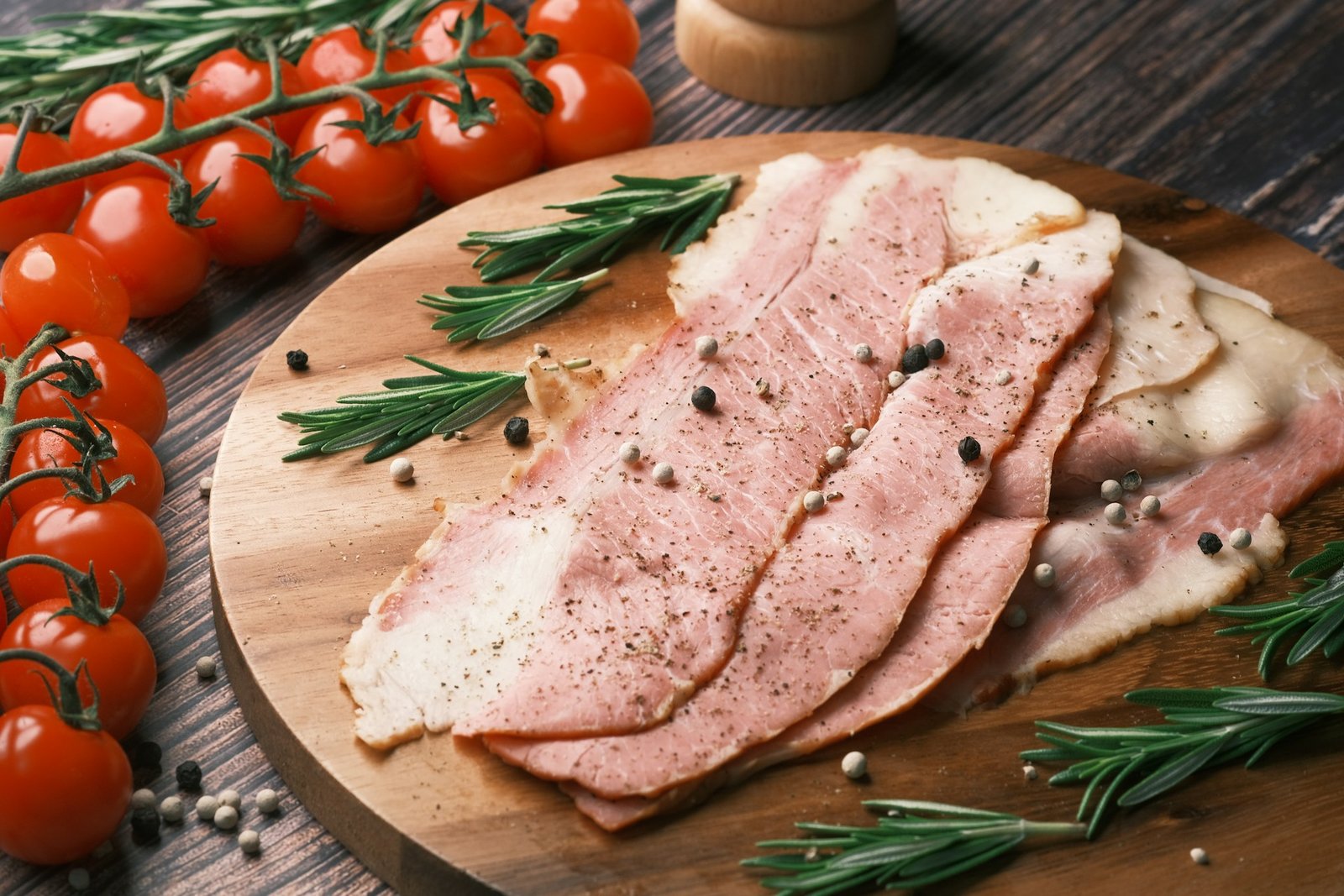
In October 2015, the World Health Organization’s International Agency for Research on Cancer (IARC) classified processed meat as a Group 1 carcinogen, meaning there is sufficient evidence that it causes cancer in humans, specifically colorectal cancer. The classification was based on a review of over 800 studies by 22 experts from 10 countries. Importantly, Group 1 describes the strength of the evidence, not the size of the risk. Processed meat is not as dangerous as smoking, despite sharing the same classification category. This article explains what the classification actually means, the five biological mechanisms by which processed meat damages DNA and promotes cancer, what counts as processed meat, and what you can do with this information.

The Headline That Scared Everyone (And What It Got Wrong)
When the IARC announced in October 2015 that processed meat had been classified as a Group 1 carcinogen, the same category as tobacco smoking, asbestos, and ionizing radiation, the reaction was predictable. Media outlets ran alarming headlines. Social media exploded. The implication seemed clear: eating a hot dog is as dangerous as smoking a cigarette.
That implication is wrong. And understanding why it is wrong is the first step toward understanding what the classification actually means and why it matters.
“It’s important to know that these classifications merely show the level of confidence the IARC has in its belief that processed meat causes cancer, and not how much cancer processed meat causes or how potent a carcinogen it is,” said Alok Khorana, MD, a gastrointestinal oncologist at the Cleveland Clinic. “Hot dogs are not equally as dangerous as cigarettes. The two just share a confirmed link to cancer, in the IARC’s opinion” (Cleveland Clinic, 2024).
The distinction is between hazard and risk. The IARC classifies hazards, meaning whether something can cause cancer. It does not rank risks, meaning how likely it is that a given exposure will actually cause cancer in a specific person.
Tobacco smoking increases lung cancer risk by 15 to 30 times. Processed meat increases colorectal cancer risk by approximately 18% per 50 grams consumed daily. Both are confirmed causes of cancer. The magnitude of their effects is vastly different.
Also Read | Late Cervical Cancer Diagnosis: How 21 GP Visits Cost a Woman Precious Time
What the IARC Classification System Actually Means
The IARC uses a classification system with four groups, and the groupings describe the quality of evidence, not the degree of danger:
| IARC Group | What It Means | Examples |
|---|---|---|
| Group 1: Carcinogenic to humans | Sufficient evidence that the agent causes cancer in humans | Tobacco, alcohol, processed meat, asbestos, UV radiation |
| Group 2A: Probably carcinogenic | Limited evidence in humans, strong evidence in animals or mechanistic data | Red meat, glyphosate, night-shift work |
| Group 2B: Possibly carcinogenic | Limited evidence in humans, less than sufficient evidence in animals | Aloe vera leaf extract, radiofrequency fields, some food dyes |
| Group 3: Not classifiable | Inadequate evidence in humans and inadequate or limited evidence in animals | Caffeine, cholesterol, fluorescent lighting |
As of January 2026, there are over 100 agents in Group 1. They range from tobacco to solar radiation to alcoholic beverages to outdoor air pollution. The fact that processed meat sits alongside these agents means the IARC is equally confident that processed meat causes cancer. It does not mean processed meat causes the same amount of cancer.
Professor Kevin McConway of The Open University put it simply: “Of 100 lifetime non-smokers in the UK, about 6 would be expected to get bowel cancer. If all 100 ate processed meat every day, about 7 of them would get bowel cancer. Compare that with lung cancer and smoking. Out of 100 non-smokers, fewer than 1 would get lung cancer; out of 100 heavy smokers, between 15 and 30 would” (Science Media Centre, 2015).
What Counts as Processed Meat
The IARC defines processed meat as meat that has been transformed through salting, curing, fermentation, smoking, or other processes to enhance flavor or improve preservation (WHO, 2015).
Common examples include:
- Bacon
- Hot dogs and frankfurters
- Sausages (bratwurst, Italian sausage, breakfast sausage)
- Deli meats (ham, turkey slices, salami, bologna, pastrami)
- Pepperoni
- Beef jerky
- Corned beef
- Canned meats (Spam, canned ham)
- Meat-based sauces and preparations containing processed meat
Most processed meats contain pork or beef, but the category also includes processed poultry (such as turkey deli slices), offal (liver pate), and meat byproducts like blood sausage.
What does NOT count as processed meat: Fresh (unprocessed) beef, pork, lamb, veal, or poultry that has simply been cut, ground, or frozen. A fresh hamburger patty is red meat, not processed meat. A hot dog is processed meat.
The distinction is about the preservation method, not the animal source. Smoked turkey breast from a deli counter is processed. A plain roasted turkey breast sliced at home is not.
How the Decision Was Made
The IARC Monographs Programme convened a Working Group of 22 scientists from 10 countries who reviewed more than 800 epidemiological studies examining the relationship between meat consumption and cancer across more than 15 cancer types (IARC, 2015).
For processed meat, the Working Group found sufficient evidence that consumption causes colorectal cancer in humans. An association with stomach cancer was also observed, though the evidence was not considered conclusive (WHO Q&A, 2015).
For red meat, the Working Group found limited evidence in humans but strong mechanistic evidence supporting a carcinogenic effect. The association was observed primarily for colorectal cancer, with associations also noted for pancreatic and prostate cancer.
The decision was published in summary form in The Lancet Oncology in October 2015 and as a complete IARC Monograph (Volume 114) in 2018.
Five Mechanisms: How Processed Meat Damages DNA and Promotes Cancer
The IARC identified “strong evidence” for three primary mechanisms by which processed meat contributes to cancer (IARC, 2018; Harvard T.H. Chan School of Public Health, 2015). Research has since added additional pathways, bringing the total to at least five well-characterized mechanisms.
Mechanism 1: N-Nitroso Compounds (NOCs)
This is the mechanism most specific to processed meat.
Nitrates and nitrites are added to processed meats during curing to prevent bacterial growth (particularly Clostridium botulinum), extend shelf life, and give the meat its characteristic pink color. When these compounds reach the stomach and intestines, they react with amino acids from the digesting meat to form N-nitroso compounds (NOCs), including nitrosamines and nitrosamides (Harvard T.H. Chan School of Public Health, 2015; News-Medical, 2026).
NOCs are alkylating agents: they directly react with DNA, forming chemical lesions called DNA adducts. If these adducts are not repaired, they can cause mutations that initiate the process of carcinogenesis. Specific DNA lesions linked to NOC exposure include O6-methylguanine and O6-carboxymethylguanine, both of which are biologically plausible contributors to colorectal cancer development (News-Medical, 2026).
The IARC classified the evidence linking NOCs to carcinogenesis as “strong.”
Mechanism 2: Heme Iron
Red and processed meats are the richest dietary sources of heme iron, the form of iron found in animal muscle tissue. Heme iron contributes to cancer through two pathways.
First, heme iron catalyzes lipid peroxidation in the colon, producing reactive aldehydes (including malondialdehyde and 4-hydroxynonenal) that are directly cytotoxic and genotoxic to colon cells. Research in animal models has shown that these byproducts are more damaging to healthy colon cells than to pre-cancerous ones, creating a selective survival advantage for abnormal cells (Pierre et al., 2015; ScienceInsights, 2026).
Second, heme iron catalyzes the endogenous formation of additional N-nitroso compounds in the gut, amplifying the NOC pathway described above (Bastide et al., 2011).
A 2015 study published in Cancer Research concluded that heme iron plays “a central role in colon carcinogenesis associated with red meat intake” and that at nutritional doses, heme iron was the primary factor driving the promotional effect of meat on precancerous lesions in chemically induced rats (Pierre et al., 2015).
Mechanism 3: Heterocyclic Amines (HCAs)
When meat is cooked at high temperatures, amino acids, sugars, and creatine in muscle tissue react to form heterocyclic aromatic amines (HCAs). The most studied HCAs include PhIP (2-amino-1-methyl-6-phenylimidazo[4,5-b]pyridine) and MeIQx (2-amino-3,8-dimethylimidazo[4,5-f]quinoxaline).
HCAs are mutagenic: they cause direct DNA damage. The IARC classified the evidence that HCAs contribute to carcinogenesis as “strong” (IARC, 2018).
HCA formation increases with cooking temperature and duration. Grilling, pan-frying, and barbecuing produce the highest concentrations. Lower-temperature methods such as stewing, steaming, and braising produce far fewer HCAs.
Since many processed meats are smoked, grilled, or cooked at high temperatures during manufacturing, the HCA content of the finished product may be elevated before the consumer even applies additional heat.
Mechanism 4: Polycyclic Aromatic Hydrocarbons (PAHs)
PAHs form when fat and meat juices drip onto flames or hot surfaces during cooking, generating smoke that deposits these chemicals onto the meat surface. Smoking meat as a preservation method, which is part of the processing for many cured meats, also produces PAHs.
Like HCAs, PAHs are genotoxic and can damage DNA. Benzo[a]pyrene, one of the most studied PAHs, is itself classified as a Group 1 carcinogen.
Mechanism 5: Gut Microbiome Disruption
This is a more recently characterized pathway. Diets high in processed meat shift the composition of gut bacteria in ways that promote cancer. Specifically, gut bacteria metabolize bile acids (secreted to digest fat) into secondary bile acids, which are directly toxic to colon cells and promote inflammation (PMC, 2023).
Research has also found that fried and processed meat consumption reduces populations of certain beneficial bacterial families while increasing others associated with less favorable metabolic profiles (ScienceInsights, 2026). This bacterial imbalance (dysbiosis) creates a colon environment that is more permissive to tumor development.
Also Read | Teddi Mellencamp Keeps Filming Her Hardest Day of the Month – Here’s What Immunotherapy Is Actually Doing
What These Mechanisms Mean Together
What makes processed meat particularly concerning is that these five mechanisms do not operate in isolation. A single serving of bacon delivers nitrites that form NOCs in the stomach, heme iron that generates cytotoxic aldehydes in the colon, and, if it was smoked or grilled, HCAs and PAHs layered on top. Each pathway damages DNA or promotes the survival of abnormal cells through different routes. Together, they create a cumulative assault on the colon lining that compounds over years and decades of regular consumption (ScienceInsights, 2026).
The dose-response relationship is linear: the more processed meat consumed, the higher the risk. The IARC found that each additional 50-gram daily serving increases colorectal cancer risk by approximately 18% (IARC, 2015).
Putting the Risk in Perspective
The Absolute Numbers
In the United Kingdom, the lifetime risk of bowel cancer is approximately 6 in 100 for non-consumers of processed meat. For daily processed meat consumers, that rises to approximately 7 in 100 (Cancer Research UK, cited in Science Media Centre, 2015).
That means daily processed meat consumption increases absolute lifetime colorectal cancer risk by roughly 1 percentage point: from about 6% to about 7%. The relative increase (18%) sounds large. The absolute increase is modest.
Why It Still Matters
An 18% relative increase and a 1 percentage point absolute increase may seem small at the individual level. But at the population level, the numbers become significant.
In 2026, an estimated 158,850 new colorectal cancer cases will be diagnosed in the United States alone (ACS, 2026). The WHO noted in its press release: “For an individual, the risk of developing colorectal cancer because of their consumption of processed meat remains small, but this risk increases with the amount of meat consumed. In view of the large number of people who consume processed meat, the global impact on cancer incidence is of public health importance” (IARC, 2015).
The “Nitrate-Free” Label Misconception
Many consumers assume that processed meats labeled “nitrate-free,” “uncured,” or “no added nitrates” are safer. This is largely a labeling distinction rather than a chemical one.
Harvard’s T.H. Chan School of Public Health explains: “So-called ‘nitrate-free’ processed meats are often preserved with celery juice, a plant rich in nitrate. The source of nitrate added for meat preservation will likely not matter” (Harvard T.H. Chan School of Public Health, 2015).
Celery powder and celery juice contain naturally occurring nitrates that convert to nitrites during processing, producing the same N-nitroso compounds as conventionally cured meats. The American Society for Nutrition has noted this issue and recommends that consumers evaluate the processing method, not the marketing label, when assessing cancer risk (ASN, 2016).
Myths vs. Facts About Processed Meat and Cancer
| Myth | Fact |
|---|---|
| Processed meat is as dangerous as smoking. | Processed meat is in the same evidence category as smoking (Group 1), but the magnitude of risk is far lower. Smoking increases lung cancer risk by 15 to 30 times. Processed meat increases colorectal cancer risk by about 18% per 50g/day. |
| Only cheap processed meats are a concern. | The classification applies to all processed meats regardless of price, brand, or quality. Artisanal charcuterie carries the same chemical risk as mass-produced hot dogs. |
| “Nitrate-free” deli meat is safe. | Most “nitrate-free” products use celery juice or celery powder, which are natural sources of nitrate. The chemical result in the body is similar. |
| Organic processed meat is not carcinogenic. | Organic certification relates to farming practices, not to the preservation methods that produce carcinogenic compounds. Organic bacon is still cured, smoked, and high in heme iron. |
| The IARC report means no one should ever eat processed meat. | The WHO and IARC do not tell people to stop eating meat entirely. They recommend limiting intake to reduce risk. |
| Only colorectal cancer is linked to processed meat. | Colorectal cancer has the strongest evidence. Stomach cancer has also been linked, and associations with pancreatic and prostate cancer exist for red meat. |
What You Can Do With This Information
The WHO’s own guidance following the IARC report was measured: “These findings further support current public health recommendations to limit intake of meat. At the same time, red meat has nutritional value” (Christopher Wild, Director of IARC, 2015).
Practical Recommendations
Reduce frequency. The risk is dose-dependent: it rises with daily consumption and is minimal with occasional intake. If you currently eat processed meat daily, shifting to two to three times per week meaningfully reduces cumulative exposure.
Choose alternatives for everyday eating. Use unprocessed chicken, turkey, fish, or legumes for weekday meals and save processed meats for occasional use.
Pay attention to cooking method. If you cook red or processed meat at home, lower-temperature methods (baking, stewing, braising, slow-cooking) produce fewer HCAs and PAHs than high-temperature grilling, pan-frying, or barbecuing.
Do not trust “nitrate-free” labels as a safety signal. Evaluate the product by its processing method, not its marketing.
Focus on overall dietary pattern. The AICR and WCRF recommend a diet high in whole grains, vegetables, fruits, legumes, and calcium-rich foods, which has been shown to reduce colorectal cancer risk by up to 47% when combined with healthy weight and physical activity (AICR, 2017).
Get screened. Dietary changes reduce risk but do not eliminate it. The U.S. Preventive Services Task Force recommends colorectal cancer screening beginning at age 45 for average-risk adults.
Also Read | Thyroid Problems in Women Over 50: Signs You Should Not Ignore
Frequently Asked Questions
Is processed meat really classified as a carcinogen by the WHO?
Yes. In 2015, the IARC classified processed meat as a Group 1 carcinogen (“carcinogenic to humans”) based on sufficient evidence linking it to colorectal cancer. The decision was made by 22 experts from 10 countries after reviewing more than 800 studies.
Does the classification mean bacon is as dangerous as smoking?
No. The classification describes the strength of evidence, not the magnitude of risk. Both tobacco and processed meat are confirmed causes of cancer, but smoking increases cancer risk by 15 to 30 times, while processed meat increases it by approximately 18% per 50 grams consumed daily. The risks are not comparable in size.
What chemicals in processed meat cause cancer?
Five mechanisms have been identified: N-nitroso compounds (formed from nitrites during curing and digestion), heme iron (which catalyzes DNA-damaging reactions in the colon), heterocyclic amines (formed during high-temperature cooking), polycyclic aromatic hydrocarbons (formed during smoking and grilling), and gut microbiome disruption (which promotes inflammation and secondary bile acid production).
Is “nitrate-free” processed meat safe?
Not necessarily. Most “nitrate-free” products use celery juice or celery powder, which are natural sources of nitrate. These convert to nitrites during processing and produce the same N-nitroso compounds in the body as conventionally cured meats.
How much processed meat is safe to eat?
The IARC found that each 50-gram daily serving (about two slices of deli meat) increases colorectal cancer risk by 18%. The World Cancer Research Fund recommends eating “very little, if any” processed meat. Occasional consumption is associated with minimal additional risk; daily consumption over years is where the risk accumulates.
What about red meat?
Red meat was classified as Group 2A (“probably carcinogenic”), a step below processed meat. The evidence is limited in humans but supported by strong mechanistic data. Current recommendations are to limit red meat to no more than about three moderate portions per week (350 to 500 grams cooked weight).
Expert Tips
- Think in patterns, not panic. The risk from processed meat accumulates over decades of regular consumption. Occasional exposure is not the concern. Daily or near-daily intake is.
- Read past the label. “Uncured,” “no nitrates added,” “naturally preserved,” and “organic” do not eliminate the carcinogenic mechanisms. The processing itself is what creates the risk.
- Lower the temperature. If you eat red or processed meat, choose cooking methods that minimize HCA and PAH formation: baking, stewing, or slow-cooking rather than grilling or pan-frying at high heat.
- Pair with protective foods. Research suggests that calcium, fiber, and certain compounds in green vegetables may partially offset the colon-damaging effects of heme iron and NOCs. A balanced meal that includes vegetables and dairy alongside meat is better than meat alone.
- Use this as motivation to screen, not just to diet. Even the cleanest diet cannot reduce colorectal cancer risk to zero. If you are 45 or older, screening catches precancerous polyps before they become tumors. That intervention saves more lives than any dietary change alone.
Key Takeaways
- The WHO classified processed meat as a Group 1 carcinogen in 2015, based on 22 experts reviewing over 800 studies. Group 1 describes the strength of evidence, not the magnitude of risk.
- Processed meat is not as dangerous as smoking despite sharing the same classification group. Smoking increases lung cancer risk by 15 to 30 times; processed meat increases colorectal cancer risk by about 18% per 50 grams daily.
- Five mechanisms explain how processed meat promotes cancer: N-nitroso compound formation, heme iron-catalyzed DNA damage, heterocyclic amines from high-temperature cooking, polycyclic aromatic hydrocarbons from smoking and grilling, and gut microbiome disruption.
- “Nitrate-free” processed meat is a marketing distinction, not a safety guarantee. Celery juice and celery powder produce the same carcinogenic compounds.
- The risk is dose-dependent and cumulates over decades. Occasional consumption poses minimal additional risk; daily consumption over years is where the evidence shows harm.
- Practical steps include reducing frequency of processed meat consumption, choosing lower-temperature cooking methods, and getting screened for colorectal cancer starting at age 45.
Why This Matters Beyond the Classification
The IARC classification of processed meat was a public health milestone, not because it told us something entirely new, but because it formalized the evidence in a way that governments, health organizations, and individuals can act on.
Nearly a decade after that decision, a 2026 poll found that 45% of U.S. adults still do not know that processed meat increases colorectal cancer risk (PCRM, 2026). Only one-third have heard about the connection from a healthcare provider.
The five mechanisms described in this article are not theoretical. They describe chemical reactions happening in the gut of anyone who eats cured, smoked, or preserved meat regularly. The N-nitroso compounds are forming. The heme iron is catalyzing. The DNA adducts are accumulating. The process is slow, which is why it is easy to ignore, and cumulative, which is why it matters.
You do not need to eliminate processed meat from your life. You need to understand that the more frequently you eat it, the more these chemical processes run in your colon, and the higher your colorectal cancer risk climbs. Armed with that understanding, you can make choices that are informed rather than fearful.
Also Read | Stressed Out? How to Recharge, Refresh and Refocus for Peak Performance

