



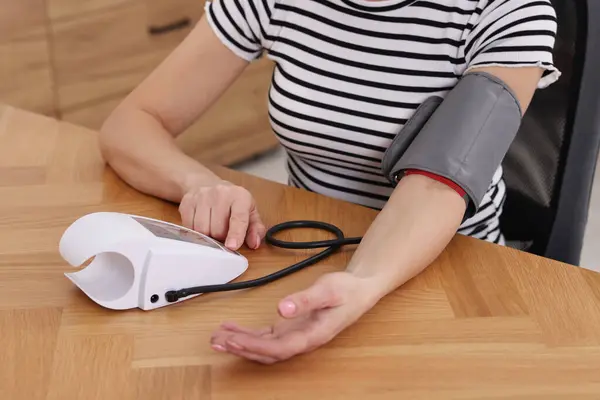
For most adult women, a healthy blood pressure is below 120/80 mmHg, and the treatment target reaffirmed by the 2025 ACC/AHA guideline is below 130/80 mmHg. But blood pressure is not static across a woman’s life. It shifts with pregnancy, oral contraceptive use, menopause, and aging. By 2050, the American Heart Association projects that nearly 60% of U.S. women will have hypertension. This article covers what normal blood pressure looks like at every life stage, the five AHA blood pressure categories, how pregnancy and menopause specifically affect women’s readings, and the warning signs that mean your numbers need attention.

Blood Pressure Is the Number Women Check Least and Need to Watch Most
Heart disease is the number one cause of death for women in the United States. It kills more women than all cancers combined. And hypertension, high blood pressure, is its single largest modifiable risk factor.
Yet a February 2026 AHA scientific statement published in Circulation projects that hypertension prevalence among U.S. women will rise from 48.6% in 2020 to 59.1% by 2050 (Joynt Maddox et al., 2026). Nearly one-third of women aged 22 to 44 are expected to have some form of cardiovascular disease in the coming years, compared to fewer than one in four currently.
For every 10 mmHg reduction in systolic blood pressure, individuals experience a 17% reduced risk of coronary heart disease, a 27% reduced risk of stroke, a 28% reduced risk of heart failure, and a 13% reduction in all-cause mortality (ACC, 2025). Those are among the strongest risk-reduction numbers in all of preventive medicine.
The challenge for women is that blood pressure does not follow a straight line across their lives. It is shaped by hormones, pregnancy, menopause, and metabolic changes that men do not experience. Understanding what is normal at each stage is the first step toward catching problems early.
Also Read | How Stress Affects the Body: Heart, Brain, and Beyond
The Five Blood Pressure Categories (2025 ACC/AHA Guideline)
In August 2025, the AHA and ACC published updated blood pressure guidelines, the first full revision since 2017. The categories and target blood pressure were reaffirmed:
| Category | Systolic (mmHg) | Diastolic (mmHg) | What It Means |
|---|---|---|---|
| Normal | Below 120 | Below 80 | Cardiovascular system functioning well; minimal arterial strain |
| Elevated | 120 to 129 | Below 80 | Risk of developing hypertension if no action taken |
| Stage 1 Hypertension | 130 to 139 | 80 to 89 | Consistent elevation above healthy threshold; lifestyle changes required; medication may be needed |
| Stage 2 Hypertension | 140 or higher | 90 or higher | Significant elevation; medication usually required alongside lifestyle changes |
| Hypertensive Crisis | Above 180 | Above 120 | Medical emergency; can cause organ damage, stroke, or heart attack |
The target blood pressure for most adults is below 130/80 mmHg (ACC/AHA, 2025).
What changed in 2025: The updated guideline now recommends that patients with Stage 1 hypertension (130 to 139/80 to 89 mmHg) who do not achieve a target below 130/80 after three to six months of lifestyle changes should begin medication, even if their 10-year cardiovascular risk is estimated as low. This is a significant shift from previous guidelines, which allowed lower-risk patients to remain in the Stage 1 range indefinitely. The change reflects growing evidence that cumulative exposure to elevated blood pressure, even in early to mid-life, is directly linked to increased cardiovascular events decades later (ACC, 2025).
What’s Normal at Every Age
Blood pressure is not a single number that stays constant across a woman’s life. Understanding what is typical at each stage helps distinguish normal fluctuations from concerning changes.
Women in Their 20s and 30s
Average healthy blood pressure for women in this age range is typically around 110 to 120/70 to 80 mmHg. Premenopausal women generally have lower blood pressure than men of the same age, partly due to the vasodilatory effects of estrogen, which helps keep blood vessels flexible and relaxed.
Watch for: Blood pressure that is consistently above 120/80 in this age group deserves attention, even though it may seem “close to normal.” The 2025 guideline emphasizes that early intervention during the elevated and Stage 1 ranges prevents compounding damage over decades.
Unique considerations: Oral contraceptives can raise blood pressure in some women, typically by 3 to 6 mmHg systolic. Women starting hormonal birth control should have their blood pressure checked within three months and periodically thereafter.
Women in Their 40s
Average readings often begin to creep upward during the late 30s and 40s, particularly as the hormonal shifts of perimenopause begin. Typical healthy readings remain below 120/80, but readings of 120 to 129/below 80 become more common.
Watch for: Stage 1 readings (130 to 139/80 to 89) that persist. Women in their 40s are increasingly affected by the metabolic changes, including weight gain, insulin resistance, and lipid shifts, that drive hypertension. This is the decade when untreated elevated blood pressure begins accumulating the damage that manifests as heart disease and stroke in the 50s and 60s.
Women in Their 50s and 60s
After menopause, women’s blood pressure often rises sharply. The decline in estrogen removes its protective vasodilatory effect, and arterial stiffness increases. By the mid-50s, hypertension prevalence in women begins to match or exceed that of men.
A 2026 review in Current Hypertension Reports noted that women experience distinct exposures that influence hypertension risk, including cardiometabolic changes and the transition through menopause, and emphasized the need for stage-specific approaches to screening and treatment (Current Hypertension Reports, 2026).
- Target: Below 130/80 mmHg for most women in this age range, per the 2025 guideline.
- Watch for: Readings that are climbing on consecutive visits. A reading that was 118/76 at age 45 and is now 138/88 at age 55 represents a meaningful shift, even if neither number is dramatically high on its own.
Women 70 and Older
Blood pressure management in older adults requires balancing cardiovascular protection against the risk of medication side effects, particularly dizziness, falls, and kidney impairment. The 2025 ACC/AHA guideline maintains the below 130/80 target for most older adults, but individual clinical judgment is important.
Some medical organizations, including the European Society of Hypertension, use slightly higher targets for frail elderly patients (systolic below 140 or 150 for those over 80) to avoid overtreatment (ESH, 2023).
Watch for: Orthostatic hypotension (a significant drop in blood pressure when standing), which can cause dizziness and falls. Any new symptoms like lightheadedness, unsteadiness, or fainting after starting or adjusting blood pressure medication should be reported to your doctor.
Also Read | Thyroid Problems in Women Over 50: Signs You Should Not Ignore
How Pregnancy Changes Blood Pressure (And Why It Matters Decades Later)
Pregnancy is the first major cardiovascular stress test many women face, and it can reveal risks that persist long after delivery.
Normal Pregnancy Blood Pressure
Blood pressure typically dips slightly during the first and second trimesters of pregnancy due to hormonal vasodilation, then returns to pre-pregnancy levels in the third trimester. A reading below 120/80 is considered normal throughout pregnancy.
When Pregnancy Blood Pressure Becomes Dangerous
Gestational hypertension: New-onset blood pressure of 140/90 or higher after 20 weeks of pregnancy, without proteinuria or other systemic findings. Blood pressure typically normalizes within 12 weeks after delivery.
Preeclampsia: New-onset blood pressure of 140/90 or higher after 20 weeks, with proteinuria or signs of organ dysfunction. Preeclampsia affects approximately 2 to 8% of pregnancies worldwide and is a leading cause of maternal and fetal morbidity (Cleveland Clinic Journal of Medicine, 2026).
Why this matters for decades: Preeclampsia is now recognized as an independent cardiovascular risk factor. A meta-analysis found that women with a history of preeclampsia have an 81% higher risk of stroke compared to those without (Cleveland Clinic Journal of Medicine, 2026). Approximately 30% of women who had preeclampsia develop chronic hypertension within 10 years of pregnancy (Voskamp et al., 2025).
The 2025 ACC/AHA guideline specifically highlights the importance of early and ongoing blood pressure management in the postpartum period. If you had preeclampsia or gestational hypertension, your blood pressure should be monitored regularly for the rest of your life.
How Menopause Changes Blood Pressure
Menopause marks the most significant sustained shift in a woman’s cardiovascular risk profile. The loss of estrogen affects blood pressure through several pathways:
- Arterial stiffness increases. Estrogen helps keep blood vessel walls flexible. Without it, arteries become stiffer, and systolic blood pressure rises.
- Sympathetic nervous system activation increases. Postmenopausal women show higher levels of sympathetic nervous activity, contributing to vasoconstriction and elevated blood pressure.
- Body composition shifts. Fat redistribution toward the abdominal area after menopause increases insulin resistance and metabolic syndrome risk, both of which drive hypertension.
- Salt sensitivity increases. Some research suggests that postmenopausal women become more salt-sensitive, meaning dietary sodium has a larger effect on their blood pressure than it did before menopause.
The result: the hypertension rate among women accelerates after menopause and eventually surpasses rates in men. The AHA projects that by 2050, nearly 60% of U.S. women will have hypertension (Joynt Maddox et al., 2026).
Warning Signs That Your Blood Pressure Needs Attention
High blood pressure is often called the “silent killer” because it typically produces no symptoms until it has already caused damage. However, certain situations should prompt you to check your blood pressure and see a doctor.
Check Your Blood Pressure If You Notice:
- New or worsening headaches, particularly in the back of the head
- Visual changes (blurred vision, seeing spots)
- Shortness of breath with activities that were previously easy
- Chest discomfort or tightness
- Swelling in the ankles, feet, or legs
- Unexplained nosebleeds
- A sense of pounding or racing in your chest
Call 911 or Go to the ER If:
- Your blood pressure reading is above 180/120 (hypertensive crisis)
- You have a severe headache with confusion or difficulty speaking
- You experience chest pain with shortness of breath
- You have sudden vision loss
- You develop weakness or numbness on one side of the body (stroke symptoms)
Also Read | Stressed Out? How to Recharge, Refresh and Refocus for Peak Performance
How to Lower Blood Pressure Without Medication
For women with elevated or Stage 1 blood pressure, lifestyle changes are the first-line treatment and can be remarkably effective.
- Reduce sodium. Aim for under 1,500 mg per day (about two-thirds of a teaspoon of salt). The average American woman consumes over 3,000 mg daily.
- Follow the DASH diet. The Dietary Approaches to Stop Hypertension (DASH) eating plan is rich in fruits, vegetables, whole grains, lean protein, and low-fat dairy. It is the most studied dietary intervention for blood pressure and can reduce systolic blood pressure by 8 to 14 mmHg.
- Exercise regularly. The AHA recommends at least 150 minutes of moderate-intensity aerobic exercise per week. Regular exercise can lower systolic blood pressure by 5 to 8 mmHg.
- Maintain a healthy weight. Losing even 5 to 10 pounds can produce meaningful blood pressure reductions.
- Limit alcohol. For women, the recommended limit is no more than one standard drink per day.
- Manage stress. Chronic stress elevates blood pressure through sustained sympathetic nervous system activation.
- Get adequate sleep. Poor sleep quality and sleep disorders (including obstructive sleep apnea) are independently associated with hypertension.
Blood Pressure Reference Chart for Women by Age
| Age Group | Typical Healthy Range | Key Considerations |
|---|---|---|
| 20s | 110-120/70-80 | Lower than men of same age; check BP if starting oral contraceptives |
| 30s | 110-120/70-80 | Monitor during and after pregnancy; preeclampsia history increases lifetime risk |
| 40s | Below 120/80 (may drift toward 120-129) | Perimenopause may begin; metabolic changes can start elevating BP |
| 50s | Target: below 130/80 | Menopause accelerates BP increase; arterial stiffness rises; screening frequency should increase |
| 60s | Target: below 130/80 | Hypertension prevalence in women now matches or exceeds men; medication often needed |
| 70+ | Target: below 130/80 (individualized for frail patients) | Balance BP control against fall risk; watch for orthostatic hypotension |
| Pregnancy | Below 120/80 | BP above 140/90 after 20 weeks requires evaluation for preeclampsia |
Myths vs. Facts About Blood Pressure in Women
| Myth | Fact |
|---|---|
| High blood pressure is mainly a men’s health issue. | Hypertension prevalence in women surpasses men’s after menopause. By 2050, nearly 60% of U.S. women will have hypertension. |
| 140/90 is the threshold for concern. | The 2025 ACC/AHA guideline sets the target at below 130/80 for most adults. Stage 1 hypertension (130-139/80-89) now warrants treatment if lifestyle changes do not reduce it within 3 to 6 months. |
| Blood pressure during pregnancy only matters during pregnancy. | Preeclampsia increases stroke risk by 81% and leads to chronic hypertension within 10 years in about 30% of affected women. |
| If I feel fine, my blood pressure is fine. | High blood pressure typically produces no symptoms until organ damage has occurred. The only way to know your numbers is to measure them. |
| Young women do not need to worry about blood pressure. | The AHA projects that nearly one-third of women aged 22 to 44 will have some form of cardiovascular disease in the coming years. Early elevated blood pressure causes cumulative damage over decades. |
Also Read | Late Cervical Cancer Diagnosis: How 21 GP Visits Cost a Woman Precious Time
Frequently Asked Questions
What is a normal blood pressure for a woman?
For most adult women, a normal blood pressure is below 120/80 mmHg. The 2025 ACC/AHA guideline reaffirms a treatment target of below 130/80 mmHg for most adults, including women.
Does blood pressure change with age in women?
Yes. Premenopausal women generally have lower blood pressure than men of the same age. After menopause, blood pressure tends to rise due to loss of estrogen’s vasodilatory effects, increased arterial stiffness, and metabolic changes. Hypertension prevalence in women eventually exceeds that of men.
Does pregnancy affect blood pressure long-term?
Yes. Hypertensive disorders of pregnancy, particularly preeclampsia, are now recognized as independent cardiovascular risk factors. Women with a history of preeclampsia have an 81% higher risk of stroke and approximately 30% develop chronic hypertension within 10 years.
When should women start checking their blood pressure regularly?
All adults should have their blood pressure checked at least annually beginning in their 20s. Women starting oral contraceptives, planning pregnancy, or entering perimenopause should check more frequently. Women with a history of preeclampsia should monitor blood pressure for life.
Is 130/80 too high for a woman?
According to the 2025 ACC/AHA guideline, 130/80 is the upper limit of the treatment target. A sustained reading of 130/80 or above is classified as Stage 1 hypertension and warrants lifestyle changes. If those changes do not reduce blood pressure below 130/80 within three to six months, medication is now recommended even for lower-risk patients.
Can menopause cause high blood pressure?
Yes. The hormonal changes of menopause, particularly the decline in estrogen, contribute to increased arterial stiffness, higher sympathetic nervous system activity, and changes in body composition. These factors combine to accelerate blood pressure increases after menopause.
Expert Tips
- Know your numbers, not just your category. A reading of 128/78 is technically “elevated” but very different from 119/76, which is “normal.” Track your specific numbers over time, not just whether they fall into a category.
- Measure at home. Home blood pressure monitors are inexpensive and more accurate over time than single office readings. The AHA recommends checking blood pressure at the same time each day, sitting quietly for five minutes before measuring, with your arm supported at heart level.
- Tell your doctor about your pregnancy history. The 2025 guideline explicitly calls for pregnancy complications, especially preeclampsia, to be part of cardiovascular risk assessment. If your current doctor does not know about a preeclampsia history from decades ago, bring it up.
- Do not ignore Stage 1 readings in your 30s and 40s. The 2025 guideline update was driven by evidence that cumulative exposure to blood pressure above 130/80, even at younger ages, directly increases cardiovascular events later. Acting early produces the largest lifetime benefit.
- Ask about the PREVENT calculator. The 2025 guideline uses a new cardiovascular risk calculator called PREVENT, which is more broadly applicable than its predecessor. Ask your doctor to run your 10-year cardiovascular risk score at your next visit.
Key Takeaways
- For most adult women, normal blood pressure is below 120/80 mmHg. The 2025 ACC/AHA guideline reaffirms a treatment target of below 130/80 mmHg.
- The 2025 guideline now recommends medication for Stage 1 hypertension (130-139/80-89) if lifestyle changes do not reduce blood pressure within three to six months, even in lower-risk patients.
- Premenopausal women generally have lower blood pressure than men. After menopause, blood pressure rises sharply, and hypertension prevalence in women eventually surpasses men’s.
- Preeclampsia increases lifetime stroke risk by 81% and leads to chronic hypertension in about 30% of affected women within a decade. It is now classified as an independent cardiovascular risk factor.
- By 2050, nearly 60% of U.S. women will have hypertension, and nearly one-third of women aged 22 to 44 will have cardiovascular disease.
- Every 10 mmHg reduction in systolic blood pressure reduces coronary heart disease risk by 17%, stroke risk by 27%, and heart failure risk by 28%.
The Number You Should Know Better Than Your Phone Number
You can recite your bank PIN, your social security number, and every password you have ever set. But most people cannot tell you their last blood pressure reading.
That gap matters, because blood pressure operates on a timeline that is silent and cumulative. The damage from a systolic reading of 135 does not announce itself. It shows up years later as a thickened heart wall, a narrowed artery, a stroke at 62 that could have been prevented at 42.
The 2025 guideline change reflects exactly this understanding. The medical community is no longer willing to let lower-risk patients sit at 130 to 139 indefinitely, because the evidence now shows clearly that even modest, early elevation compounds into serious disease.
For women, the stakes are compounded by pregnancy, menopause, and hormonal transitions that make blood pressure a moving target. Knowing what your numbers should be at your current life stage, and acting when they drift above that range, is one of the highest-impact health decisions you can make.
Buy a home monitor. Check your numbers. Tell your doctor about your pregnancy history. And if your reading is consistently above 120/80, start the conversation about what to do next. That conversation, more than any single pill or diet change, is what bends the curve.
If you found this article useful, share it with a woman in your life who should know her numbers. You can also sign up for our newsletter for more evidence-based health content delivered to your inbox.
Also Read | How 10 Minutes of Nature Sounds Can Calm Your Nervous System
References
American College of Cardiology. (2025). New in clinical guidance: High blood pressure focus of new ACC/AHA guideline. https://www.acc.org/latest-in-cardiology/articles/2025/10/01/01/new-in-clinical-guidance-hbp
American Heart Association. (2025). Understanding blood pressure readings. https://www.heart.org/en/health-topics/high-blood-pressure/understanding-blood-pressure-readings
Cleveland Clinic Journal of Medicine. (2026). Sex-specific risk factors for stroke in women: Focus on the 2024 AHA/ASA guideline. Cleveland Clinic Journal of Medicine, 93(5), 297. https://www.ccjm.org/content/93/5/297
Current Hypertension Reports. (2026). Hypertension in women across the life cycle: Unique aspects and challenges. Current Hypertension Reports. https://doi.org/10.1007/s11906-026-01362-x
Inova Newsroom. (2026). The American Heart Association has updated high blood pressure guidelines. https://www.inovanewsroom.org/expert-commentary/2026/02/the-american-heart-association-has-updated-high-blood-pressure-guidelines/
Joynt Maddox, K. E., et al. (2026). Forecasting the burden of cardiovascular disease and stroke in women in the United States through 2050: A scientific statement from the American Heart Association. Circulation. https://doi.org/10.1161/CIR.0000000000001311
Voskamp, L. W., Rousian, M., Koerts, J. J., et al. (2025). Risk factors for chronic hypertension 5 years after a pregnancy complicated by preeclampsia: A systematic review and meta-analysis. Journal of Hypertension, 43(5). https://doi.org/10.1097/HJH.0000000000003995

